





Filmmaking is a comprehensive artistic journey full of imagination and practical execution. From the budding of a script's story, to the meticulous refinement of a director's language, to the decision-making of overall coordination, every step is crucial. As a globally renowned master of cinema, Luc Besson has presented classic masterpieces to film fans worldwide with his outstanding screenwriting abilities, uniquely styled directing art, and keen producing wisdom.
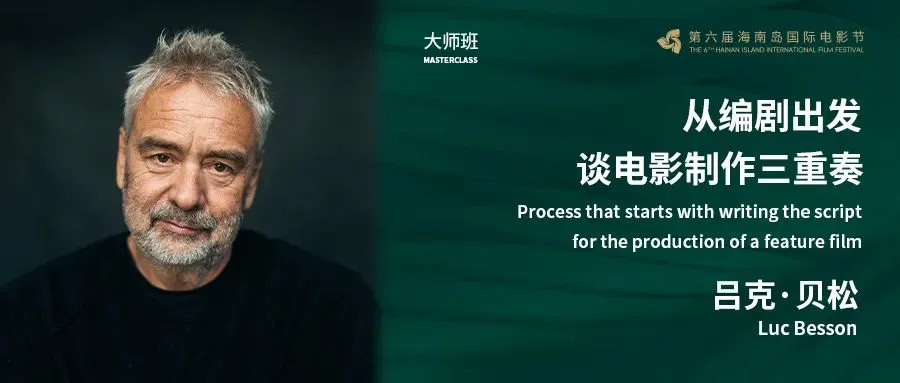
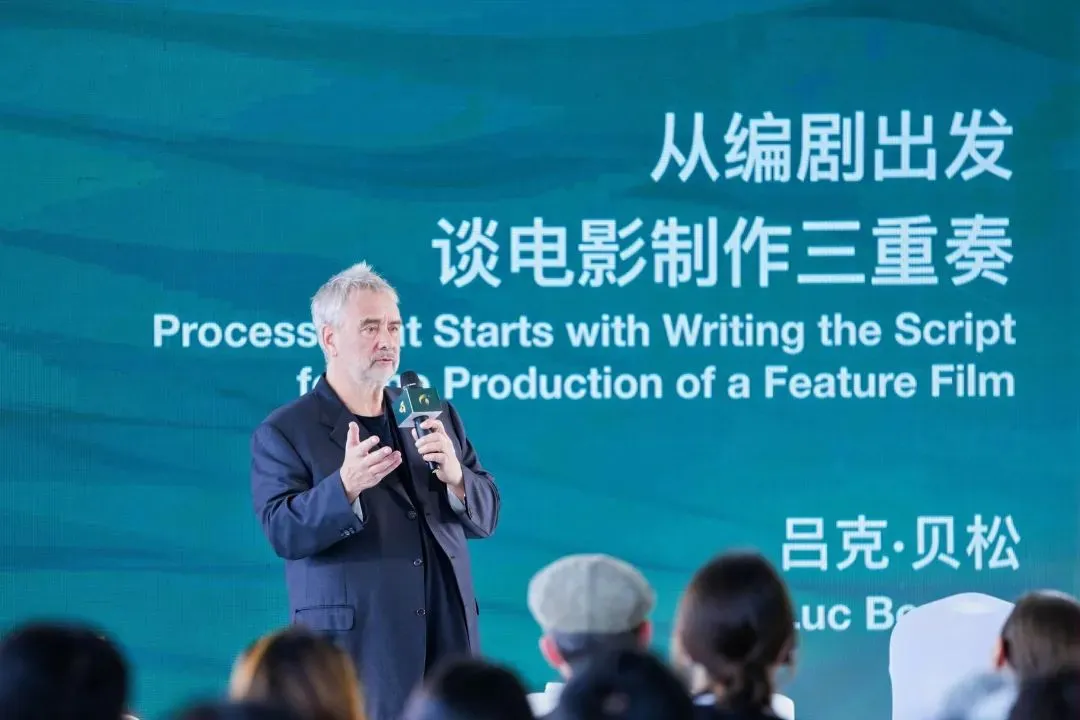
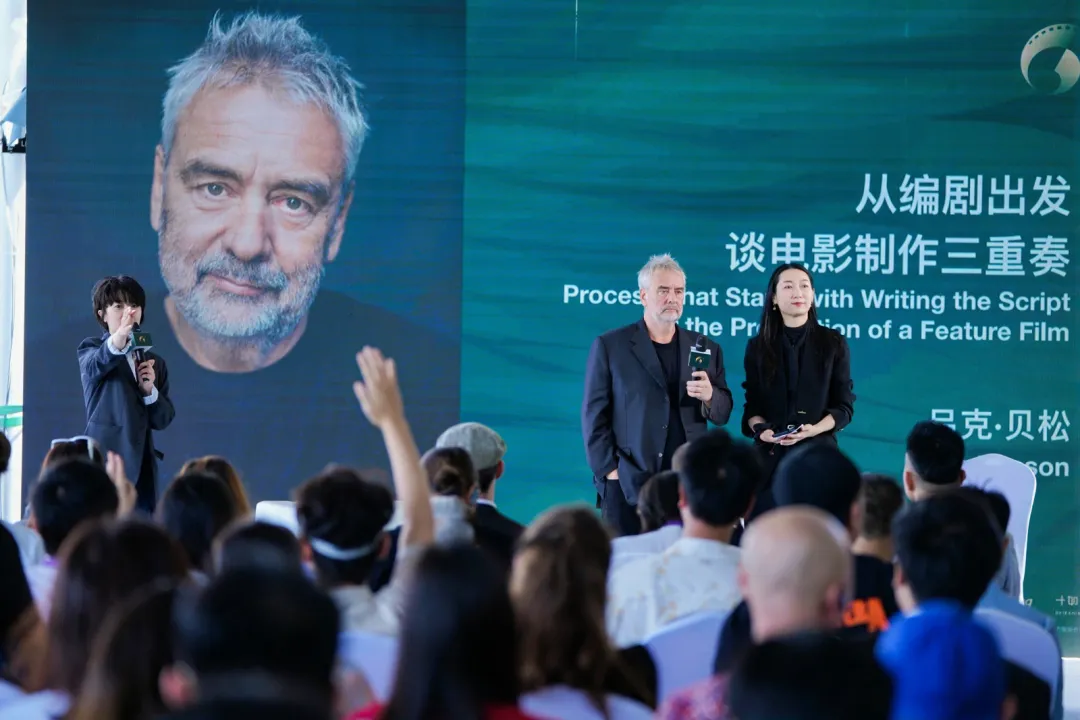
On the morning of December 10, the Luc Besson Masterclass of the 6th Hainan Island International Film Festival (HIIFF) was held at Sanya Phoenix Island. Hosted by Yang Yang, Luc Besson engaged in an in-depth discussion with the audience on the three core dimensions of filmmaking.
"Making films is how I express myself"
Story is the core of cinema
Luc Besson emphasized that the story is the core of cinema. Sharing his creative philosophy, he stated: "I have never needed to consider pleasing anyone; making films is how I express myself. The only thing I do is make films." Just as Picasso focused on his own feelings when painting, filmmakers should tell their own stories, maintain their original intentions, and not overly care about the audience's opinions.
"At 15, my way of escaping reality was to take a piece of paper and a pen. Anyone can write, but only through persistence can a good work be achieved." Luc Besson's film journey began with his passionate love for cinema during his youth. This passion drove him to pursue screenwriting. In his early days, he wrote continuously; thousands of pages of manuscripts witnessed his effort and persistence, including many failed works, but he never gave up. He deeply understands that screenwriting is the foundation of cinema, and a brilliant story is the key to attracting audiences. Take The Fifth Element, for example: the first draft was 400 pages, undergoing repeated revisions before finally becoming a classic. He emphasized that creators must have patience and perseverance, continuously polishing their work until the story is perfectly presented. He pointed out that current film creation is influenced by capital, leading to homogenized works, and called on creators to take back the主导权, "We need to take this power back."
"Actors are the most important"
Valuing collaboration with actors
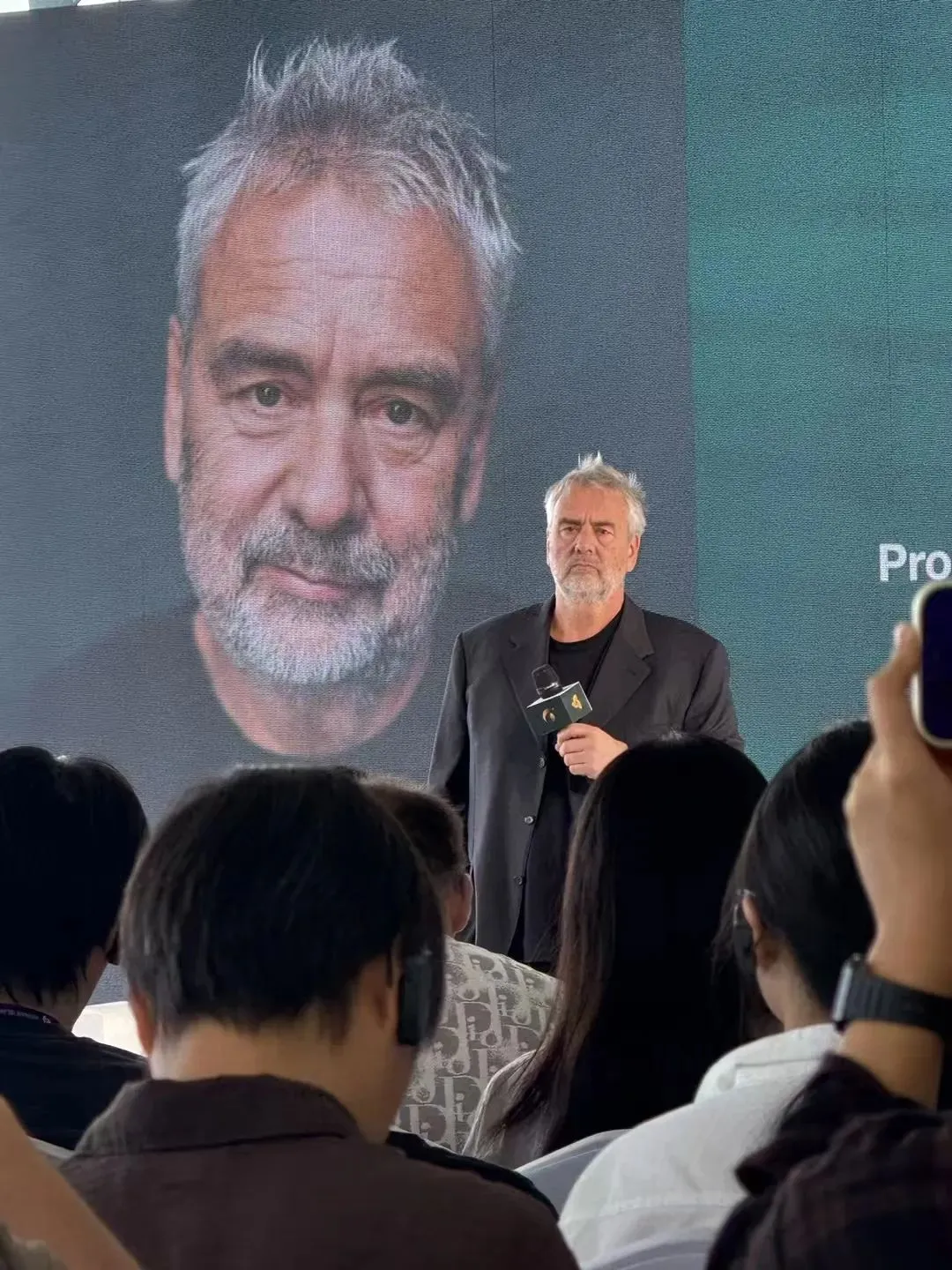
When discussing collaboration with actors, Luc Besson believes that actors are the most important element in a film: "Actors are the most important." He believes that "every actor is different; you need to spend a little time building a friendship with the actor, eating together, chatting together, and understanding their life."
Using Lucy as an example, he recounted how he provides background stories for actors to help them get into character and perform with more confidence. At the same time, he emphasized that the director must make the actor feel safe and build trust. He pointed out that actors should maintain a free and focused state when performing, and the director should give them ample space to perform, while providing appropriate guidance at key moments, so that the performance and the overall style of the story bring out the best in each other.
"Everyone will bring you something new"
Key elements of filmmaking
As a producer, Luc Besson has demonstrated exceptional organizational and management talents. He deeply recognizes the significant impact of funding on filmmaking, and possesses unique ideas and methods for raising capital. Recalling the creation process of The Fifth Element, he broke conventions by posting announcements globally, attracting creators from all over the world to participate, and ultimately successfully raising the required funds. During the shooting process, he strictly controlled the budget; every expense was carefully considered to ensure it was reasonable and necessary. Out of the more than 130 films he has been involved in producing, only one exceeded the budget. This rigorous attitude provided a solid economic guarantee for the success of the films.
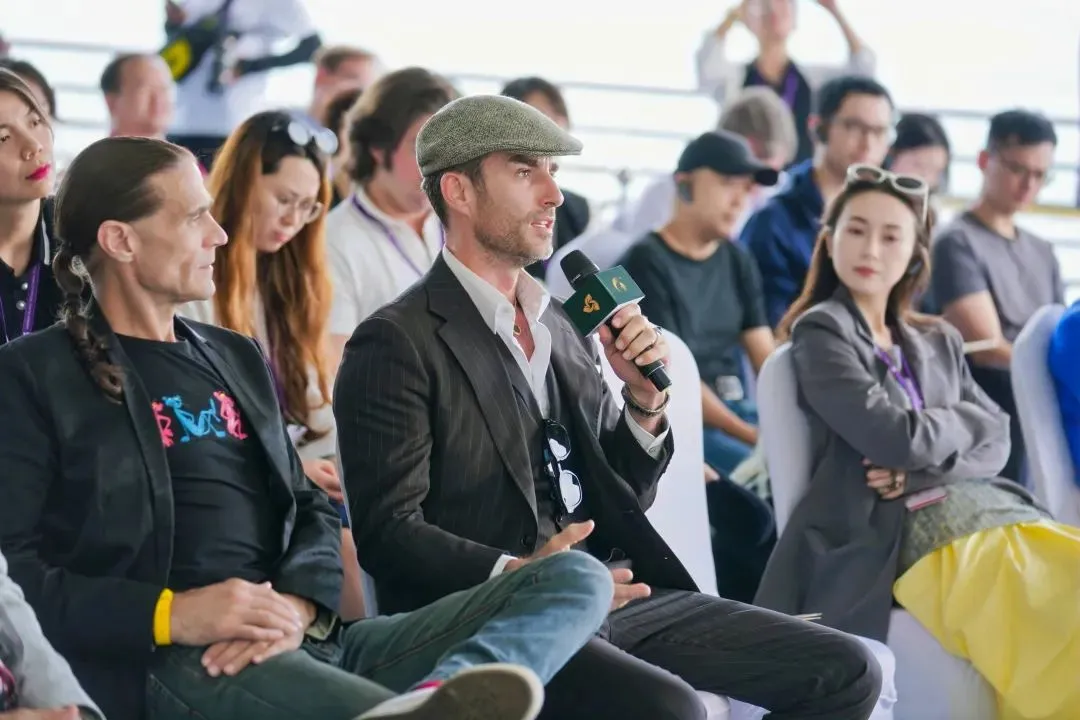
Regarding the composition of the production team, he believes that a culturally diverse team has more advantages. Using his own diverse team as an example, he emphasized that the appeal of the work is the key to collaboration, art knows no borders, and cooperation among people from different countries can generate more creative sparks. He mentioned that his "last cinematography team included staff of multiple nationalities such as China, Japan, Italy, and Australia, and everyone will bring you something new." In The Fifth Element, he gave the costume designer full freedom: "I didn't know how to say it, and a few days later I wasn't too sure either, so I said it's fine, just do it however you want, this way it can bring something new."
"Do not define films by fast-food standards"
Diverse reflections on the film industry
Regarding the future development of short films, Luc Besson believes that young people currently have superior conditions for shooting short films, but content remains the key. He also pointed out that audiences' attention to film duration and content will change, hoping that creators will guide audiences to focus on the film and reduce interference from mobile phones.
As for remaking old films, he believes that old films are memories, and remaking them generally for commercial profit holds little significance. He emphasized that cinema needs innovation to give audiences a sense of freshness: "We should aim for the five-star rating, not fast food. Our standards should be higher; do not define films by fast-food standards."
Discussing the impact of AIGC on the film industry, Luc Besson considers AIGC a tool that can play a role in research and other areas, but it is difficult for it to create unique scripts. He encouraged young directors to view it correctly and use it as an auxiliary tool.
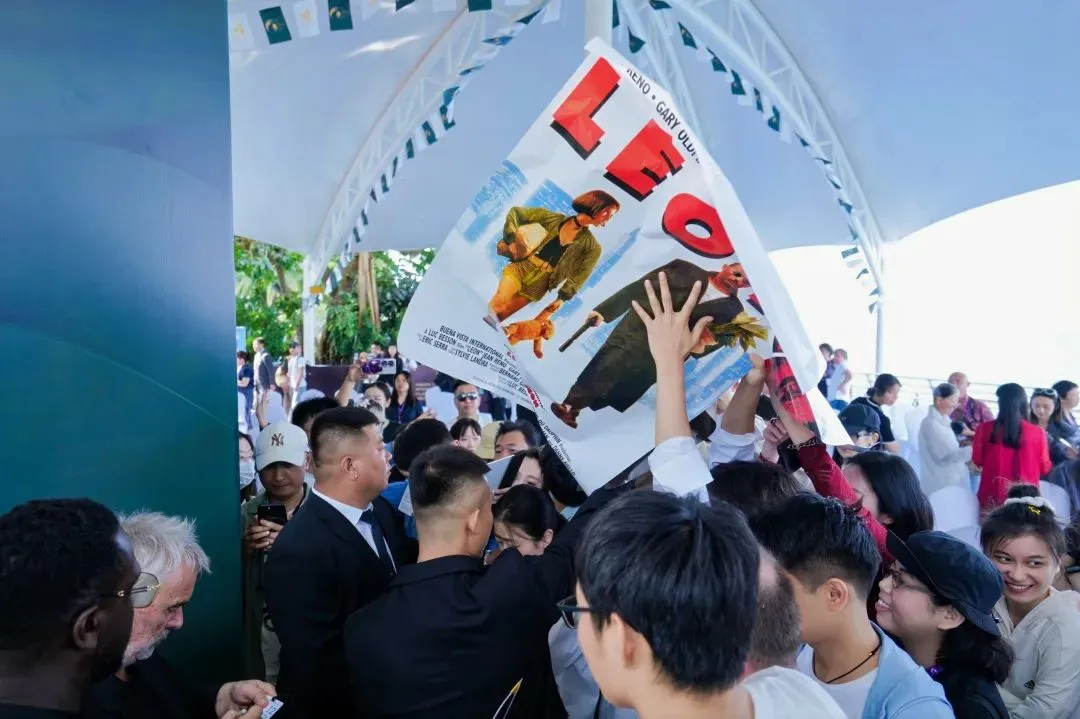
After the Q&A session, Luc Besson warmly took photos with the audience, and the Masterclass successfully concluded in a enthusiastic atmosphere. Luc Besson's sharing provided valuable experience and profound insights for film practitioners and enthusiasts, inspiring everyone to continuously explore and innovate, injecting a steady stream of momentum into the continuous development of the art of cinema.