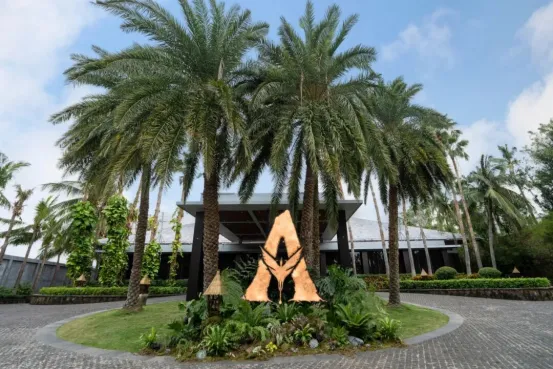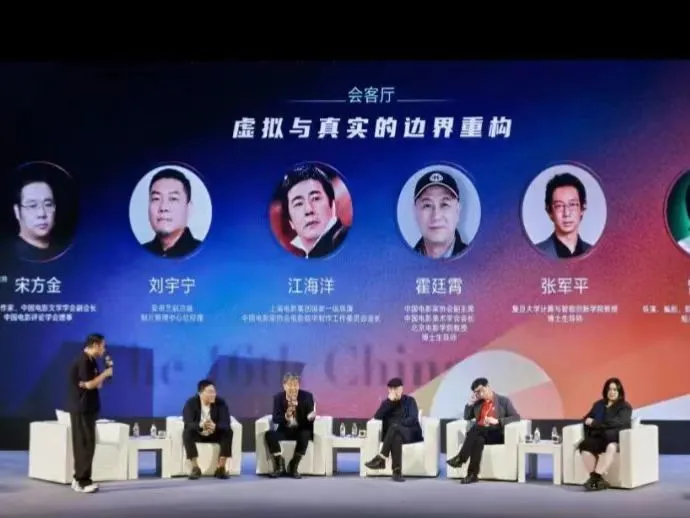






On the morning of December 8, the "Haina Roundtable Discussion" and the "Haina Project: International Young Directors Short Film Collection" screening event, hosted by the Organizing Committee of the Hainan Island International Film Festival (HIIFF) and Alibaba Pictures Group, were held at Sanya Xingyue Cinemas (Sanya Summer Branch). Centered on how to build a healthy content ecosystem that supports the growth of young directors, the event was attended by numerous prominent leaders and guests from the film industry, who jointly explored the current status and future of the film industry.
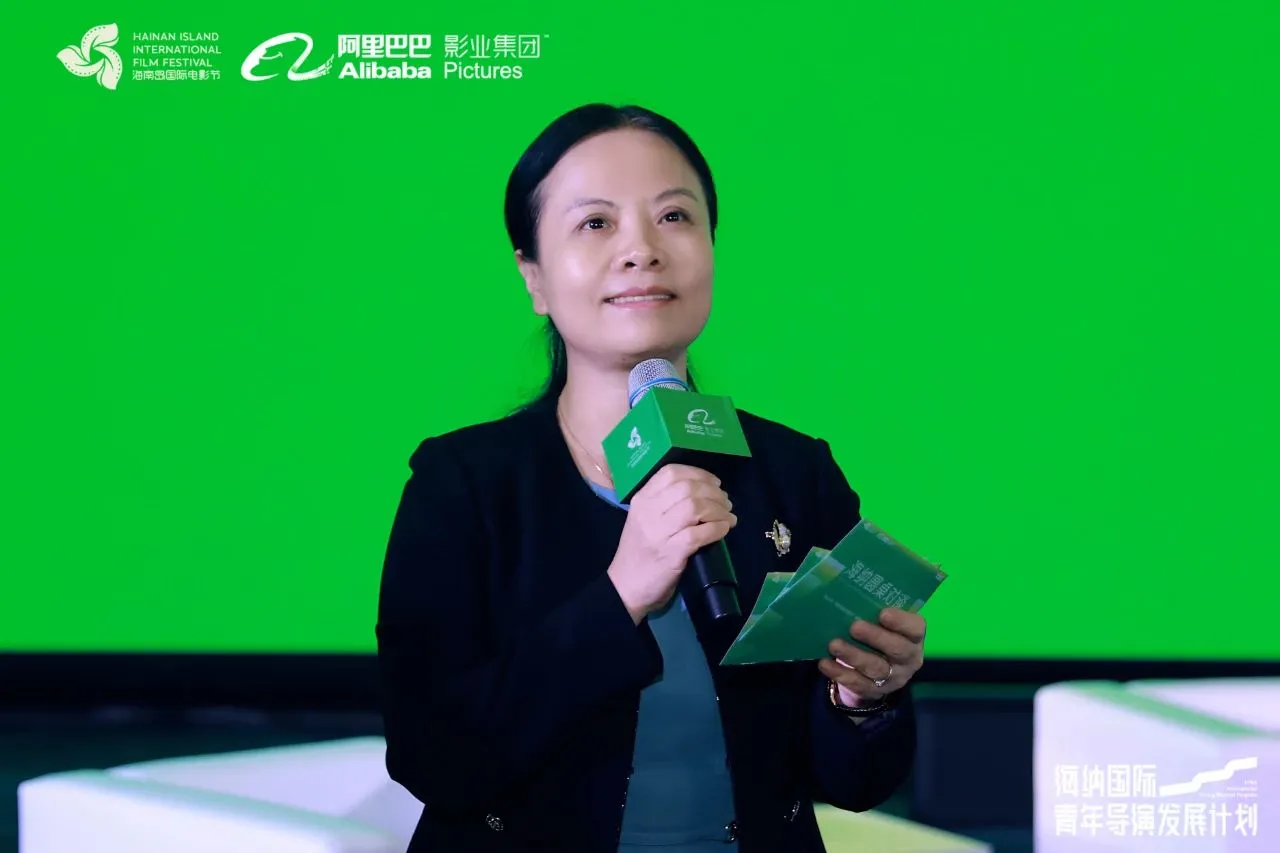
In her opening remarks, Li Jiaohui, Director of the Film Division of the Publicity Department of the Hainan Provincial Party Committee, stated that the HIIFF and Alibaba Pictures co-hosted this event out of a shared understanding: an international vision and support for young filmmakers. She mentioned that the festival received submissions from 117 countries worldwide this year, with international films accounting for 77.5%, fully demonstrating its international nature. Meanwhile, she expressed her appreciation for the "Haina International Young Directors Development Project," which, under the support of the National Film Administration, was meticulously planned by Alibaba Pictures and has attracted many young directors with study-abroad backgrounds to return to China for development. Director Li Jiaohui also emphasized that the dissemination of Chinese stories requires more filmmakers with an international vision, and she hoped that young directors could focus on their local roots to tell Chinese stories that audiences worldwide can understand. Finally, she invited filmmakers to "shoot in Hainan, and shoot Hainan," and wished the young directors of the "Haina Project" great success.
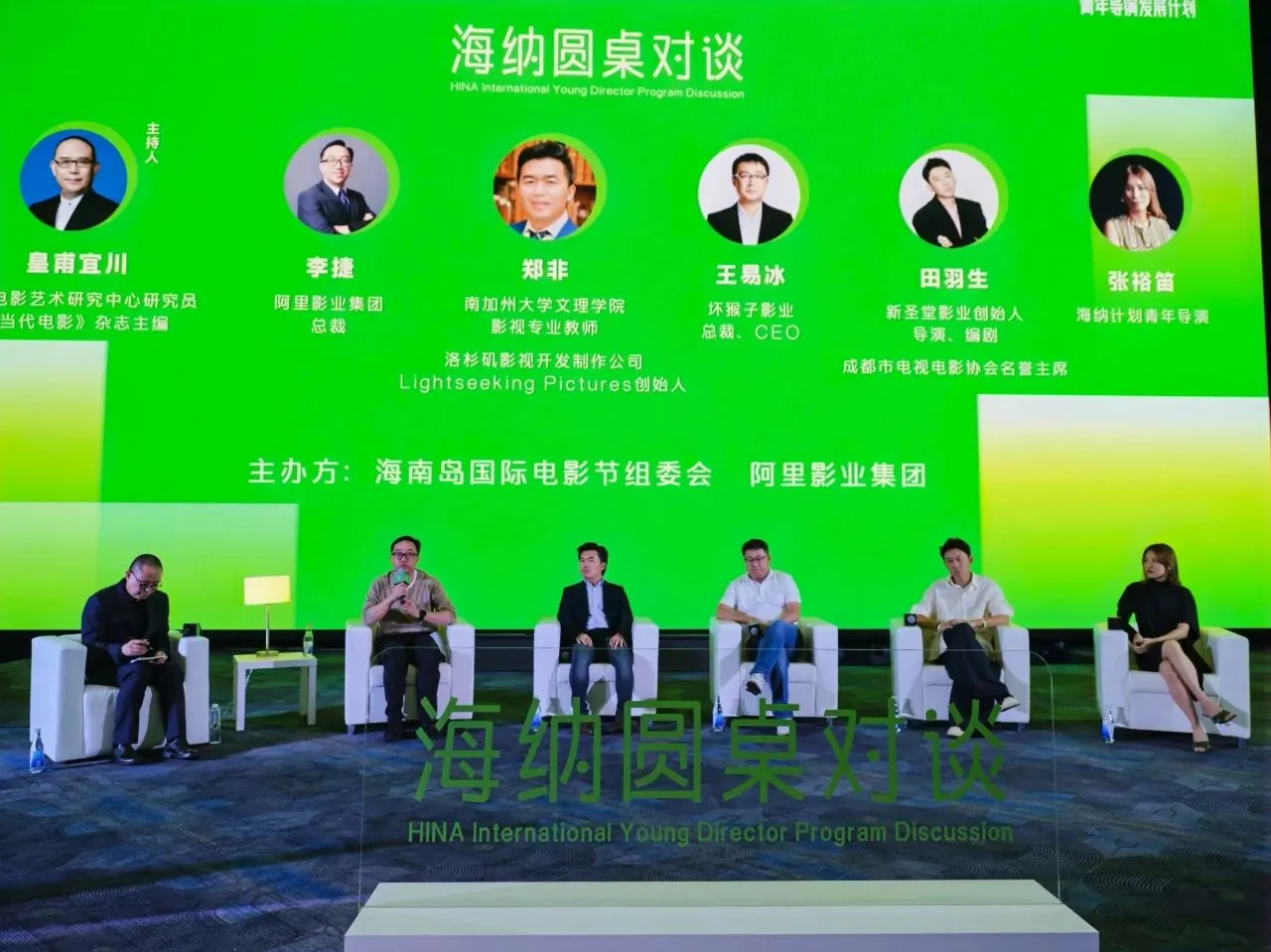
During the subsequent discussion session, the guests engaged in an in-depth conversation on topics related to the growth of young directors. Li Jie, President of Alibaba Pictures Group, introduced that the "Haina International Young Directors Development Project" was launched two and a half years ago, aiming to provide development opportunities for young Chinese-language directors returning from overseas studies. Currently, 45 directors have joined, with mentors including Zhang Yimou, Huang Jianxin, and Jiang Zhiqiang. The project provides young directors with more opportunities through Masterclasses, on-set training, and other methods.
Li Jie believes that the future of the Chinese-language film industry requires young directors with ideals for commercial films and international visions. The "Haina Project" is dedicated to cultivating Chinese film talents who can create movies loved by audiences worldwide.
Zheng Fei, a faculty member in the Film and Television program at the College of Letters, Arts and Sciences of the University of Southern California, pointed out that transitioning from academia to the industry, young directors need to understand audiences, especially the demands of cross-cultural audiences. For young directors with overseas training backgrounds, it is essential to integrate stories with audience needs, paying attention to both the commercial and artistic aspects of their works.
Wang Yibing, President of Bad Monkey Pictures, shared his experience in helping young directors grow. He believes that young directors often face dilemmas in choosing subject matter for their debut works, and he suggested starting with what they are familiar with, leaning towards realistic themes, which makes it easier to resonate with audiences.
Director Tian Yusheng, while affirming the direction of young directors focusing on familiar subjects and realistic creations, called for the establishment of a film festival exclusively for young people to provide a larger stage for young filmmakers.
Young director Zhang Yudi shared her experience of shooting Voice Break. She stated that she initially wanted to make a youth film but struggled to find an entry point. Later, inspired by the "voice break" phenomenon in Peking Opera, she combined it with the confusion of adolescence to create the story. She believes the "Haina Project" provides a valuable platform, helping young directors transform their inner thoughts into stories that audiences love.
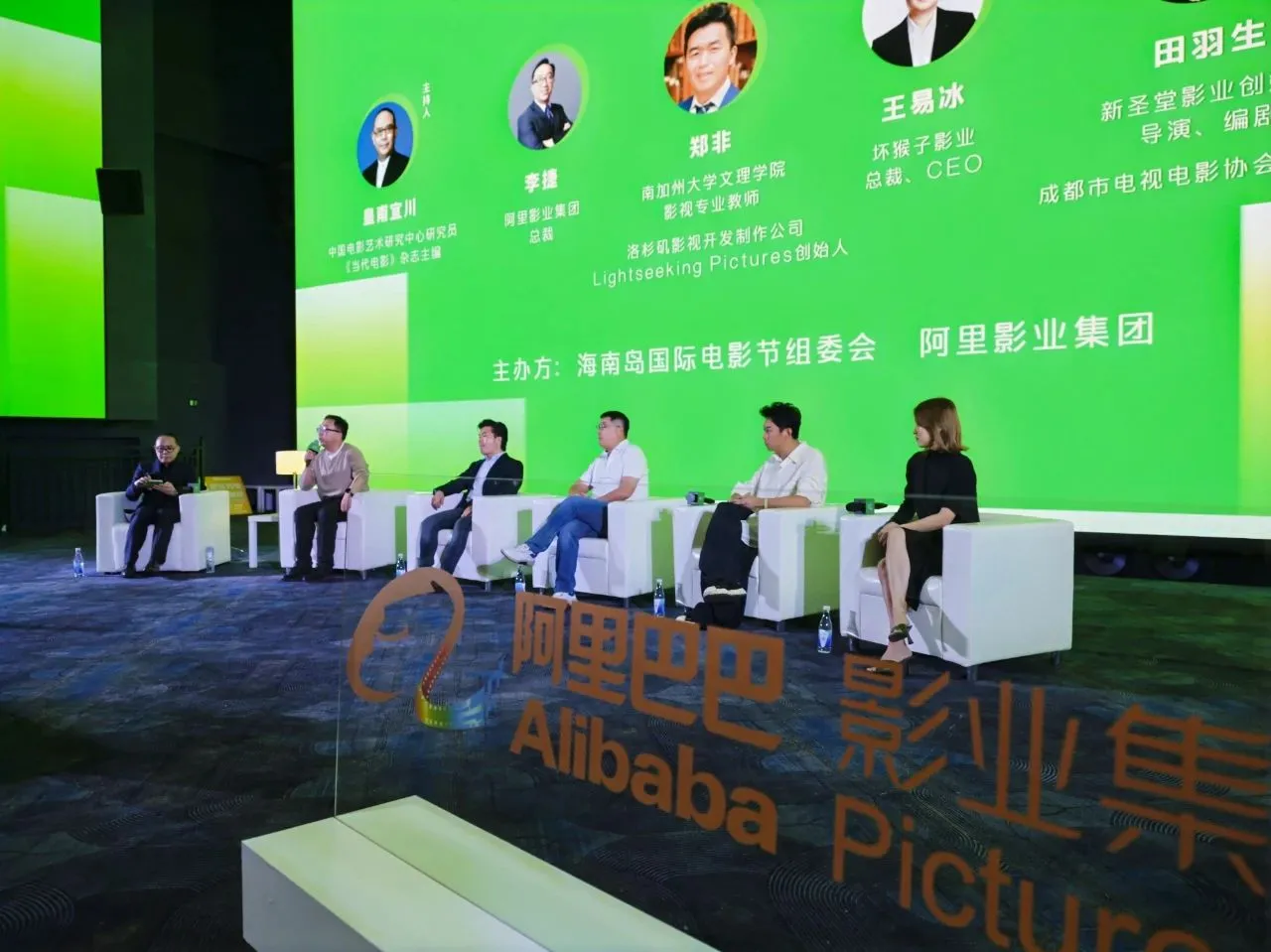
When discussing the balance between art and commerce, Li Jie argued that art-house and commercial films are not mutually exclusive; a successful commercial film must have an artistic foundation. Many young directors' first works emphasize auteur expression, showcasing their talent with distinct aesthetic and narrative styles, which draws the industry's attention. They then transition to creative genres that better accommodate commercial elements and popular aesthetics. To assist young directors in navigating this transition more smoothly, the "Haina Project" provides them with more direct practical opportunities, such as on-set training and Masterclass exchanges.
Wang Yibing used director Ning Hao as an example to illustrate how to balance auteurism and commercial<%Y%>commercialism in scriptwriting. Zheng Fei emphasized that overseas training systems focus on the unity of auteurism and commercialism, and directors should guide the audience to focus on the core of the work.
Tian Yusheng believes that a good film should possess both artistic and commercial attributes, and young directors need to clearly understand the audience demographic of their works and reasonably control investment.
Zhang Yudi stated that, whether in the domestic or overseas market, works that evoke widespread emotional resonance are more likely to gain recognition. Overseas creators often polish their scripts through film festivals, whereas the domestic market provides more opportunities to communicate with production companies.
At the end of the event, the guests shared their expectations for the future creations of young directors. Zhang Yudi hoped to provide more opportunities for expression for other young directors; Tian Yusheng called on film festivals to build exclusive stages for young directors and offer them more encouragement; Wang Yibing advised young directors to shoot more works and accumulate experience using current technological conditions; Zheng Fei encouraged young directors to maintain their sensitivity to life and find their unique creative voices; Li Jie expressed his hope that the "Haina Project" would cultivate truly international Chinese-language directors and bring Chinese cinema to the world.
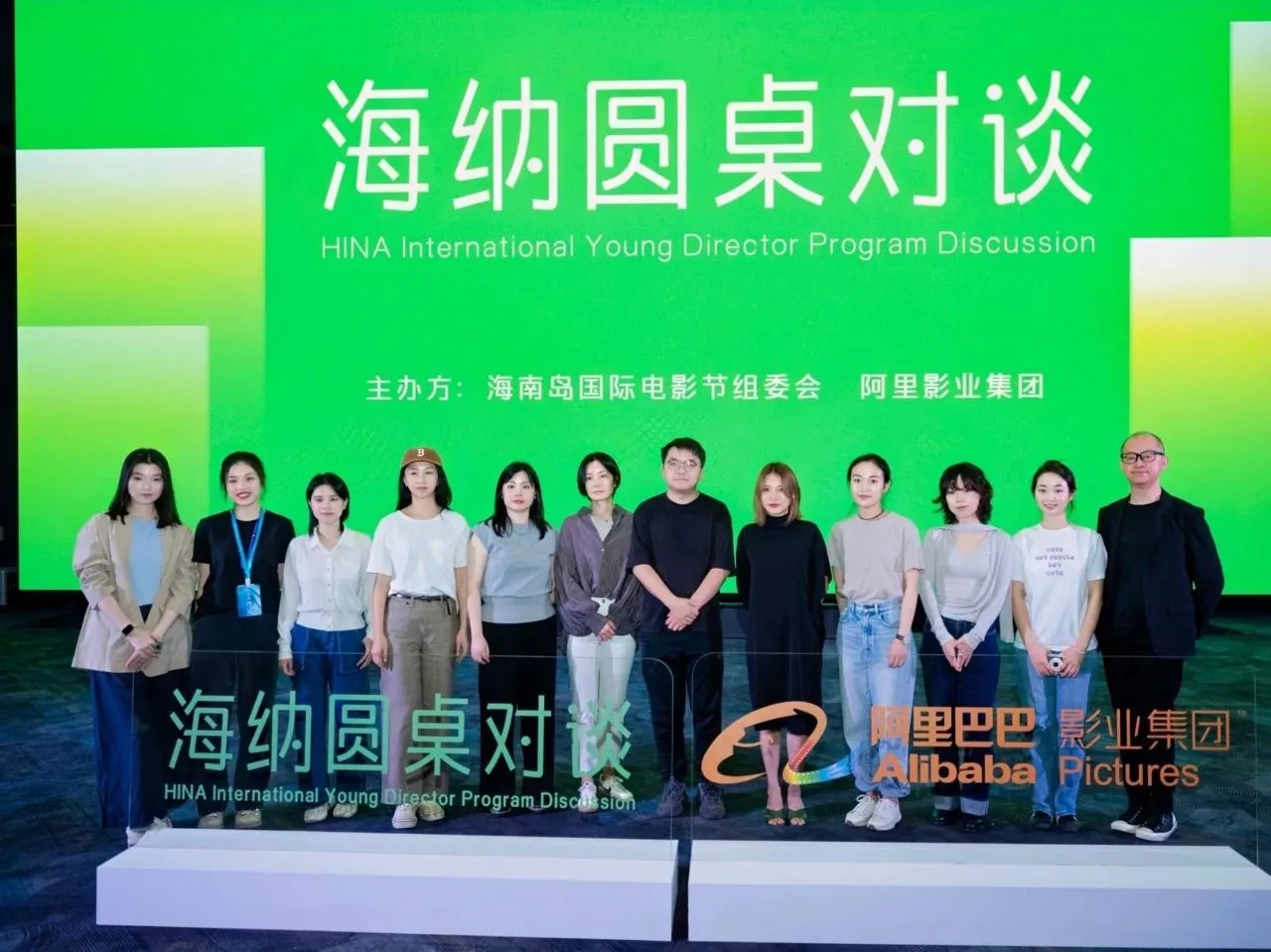
This "Haina Roundtable Discussion" provided valuable experience and advice for the growth of young directors, and also demonstrated the film industry's emphasis on the cultivation of young talents. We look forward to the "Haina Project" empowering the growth of young directors and injecting new momentum into the sustainable, high-quality development of Chinese cinema.