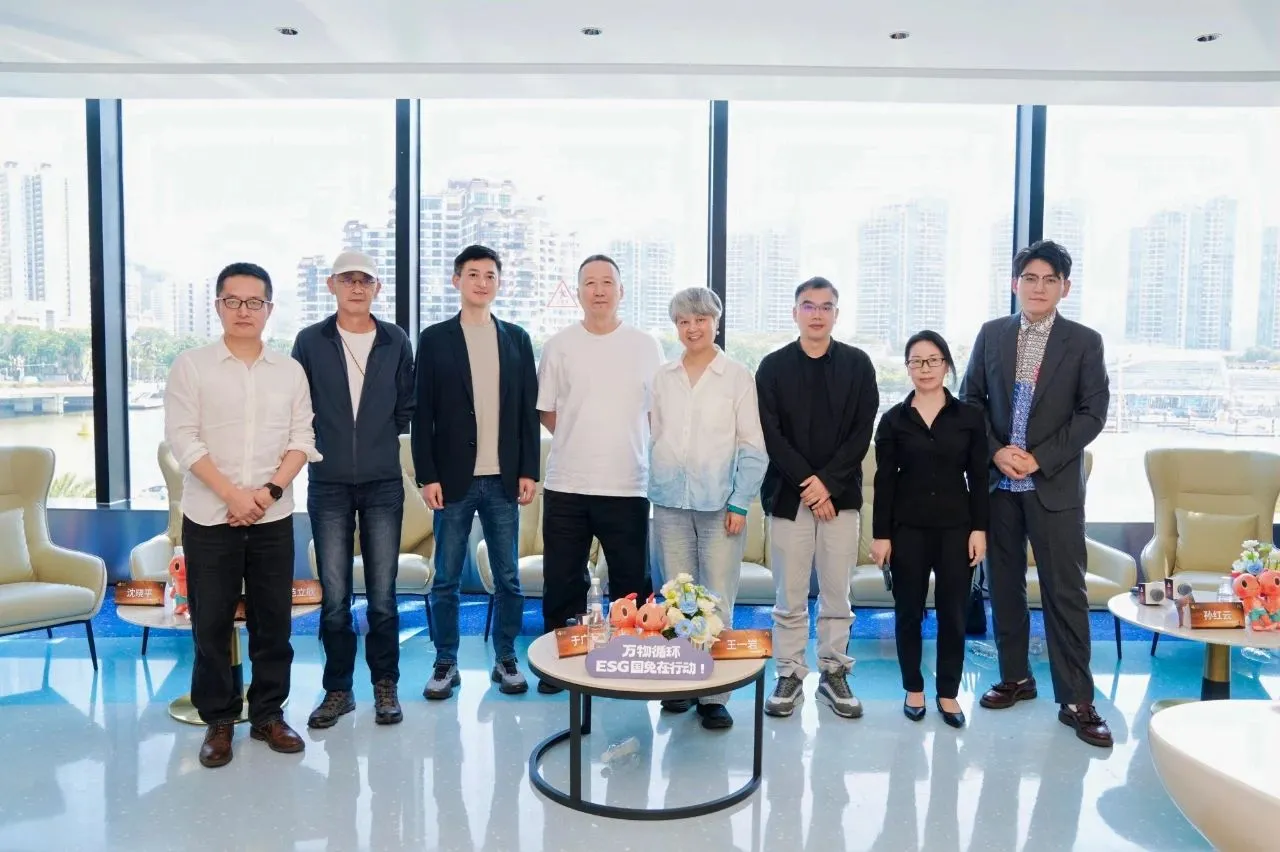




On the morning of December 8, the Golden Coconut Forum "Heritage and Innovation in Ocean Documentary" of the 6th Hainan Island International Film Festival was held in the third-floor seaview gallery of the Sinopharm China Service Duty Free store in Sanya. Moderated by Shen Xiaoping, the forum examined how ocean documentary has evolved from traditional to contemporary forms and explored its value and possibilities in a new era.
Lin Youzheng, Level-2 Inspector of the Publicity Department of the CPC Hainan Provincial Committee, attended the forum and delivered a speech. He noted that the CPC Central Committee attaches great importance to building China into a maritime power, and that General Secretary Xi Jinping's remarks on the subject have set the direction for the development of maritime affairs. Strengthening the creation and study of ocean documentaries, he said, is the responsibility of artists in responding to the maritime power strategy. As a major maritime province with a rich ocean culture, Hainan also needs ocean documentaries to contribute to the building of the free trade port.
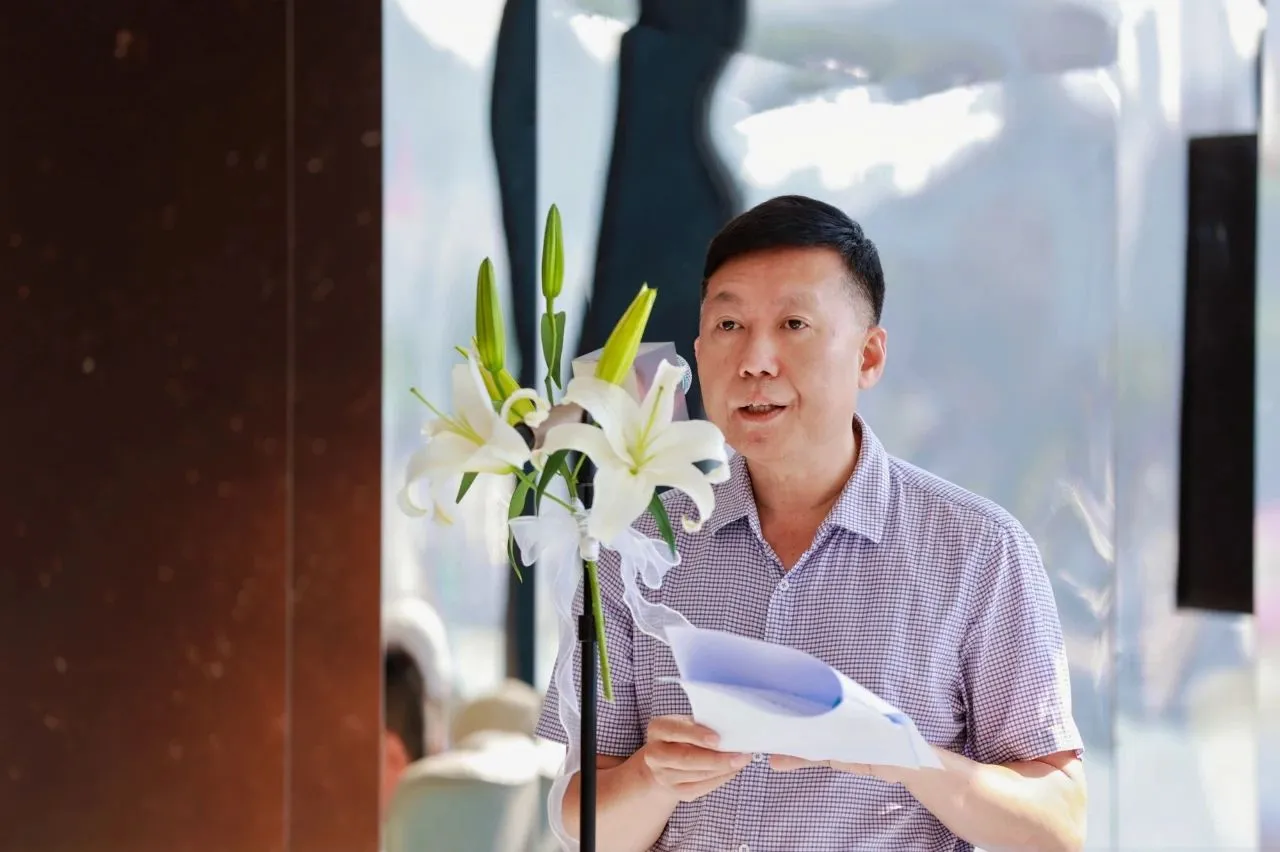
Lin Youzheng set out four expectations for documentary filmmakers: to follow Xi Jinping Thought on Culture and the vision of a maritime power in promoting ocean documentary; to root their work in the ocean and uncover moving stories; to think creatively and open up new space for documentary; and to pay attention to Hainan and come often to research and film.
The screening of the documentary In Search of Whales in the South China Sea prompted an in-depth discussion of ocean documentary among the guests.
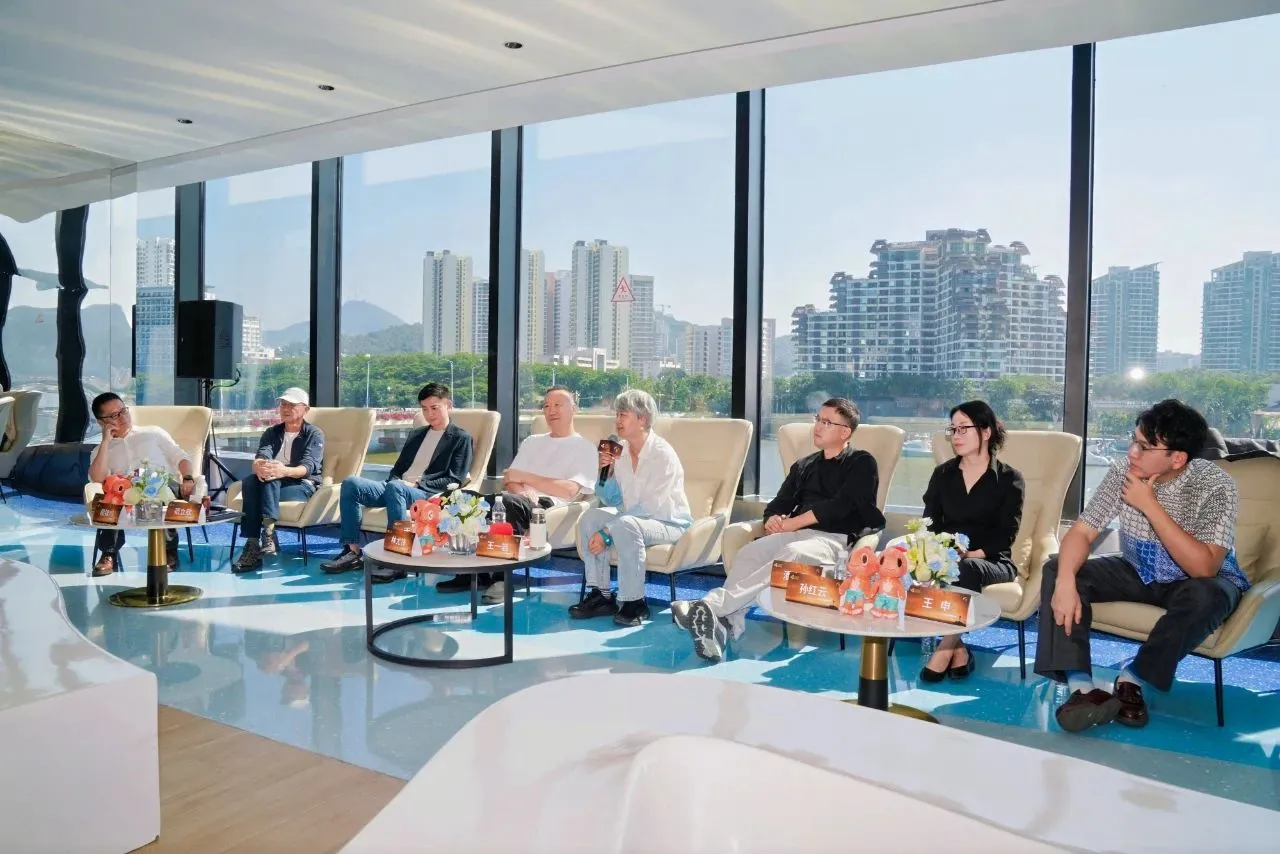
Director Duan Jinchuan reviewed the history of ocean documentary. Comparing Robert Flaherty's Man of Aran (1934) with this year's The Last of the Sea Women, he discussed how filmmakers approach traditional ways of life that are recorded on the verge of change, which led to a broader discussion of authenticity and method in documentary. He also mentioned a trip along the coastline more than a month earlier and said Hainan Island offers rich material in history and culture, science, and the relationship between people and the sea: the records held at the South China Sea Museum, the working knowledge of the fishermen at Tanmen fishing port in Qionghai, and natural phenomena such as typhoons all open many possibilities for filmmakers.
Director Yu Guangyi spoke about moving from Heilongjiang to Hainan and why he makes documentaries. He stressed that Hainan's ocean heritage is rich and should be documented before it is lost, and encouraged filmmakers to look at local ocean culture such as fishing village life and the lives of the Li people, affirming its value for personal growth and cultural continuity. Speaking as an independent documentary filmmaker, he also called for a fund to support documentary makers and hoped they could receive more practical support in Hainan.
Drawing on his own experience, director Fan Lixin talked about working on the BBC's Earth: One Amazing Day and the principles the BBC follows in natural history filmmaking: keeping a distance, never baiting animals, and taking an equal point of view. He pointed out that ocean documentaries require large budgets and long production cycles, and that China's current investment system struggles to support productions of this scale; he hoped the system would improve so that works with international influence could be made. He also noted Hainan's potential in documentary: with the festival as a platform, it could consider setting up a market and a pitching section to develop the documentary industry.
Director Wang Yiyan offered her own perspective on ocean documentary based on nearly 40 years of filmmaking. She believes documentary makers should keep improving their visual expression. She also mentioned the resources of the Chinese Academy of Sciences for science and education films and encouraged more participation in science documentaries. She commended the documentaries broadcast on Sansha TV and shared her ties with Sansha and the changes she has seen there.
Director Pan Zhiqi used his own work to discuss innovation and difficulty in ocean documentary. He described the challenge of balancing funding against output, and the aesthetic choices across different modes of filmmaking, from the Griersonian combination of commentary and images to approaches built on the psychology of contemporary audiences. He called for new mechanisms that give independent directors fairer, more market-based funding.
From an academic perspective, Sun Hongyun traced the development of ocean documentary, which she sees as moving from stories of people battling the sea to concern for ocean conservation; films such as The Cove reflect a rethinking of humanity's relationship with the ocean. She outlined several ways documentary can help protect the ocean: moving away from anthropocentrism, rebuilding relationships, serving as a medium of information and changing audience attitudes. She also spoke of the equality between humans and animals in her own work, encouraged attention to ocean documentary in both filmmaking and research, and hoped more scholars in Hainan would study the field.
Director Wang Shen, a visual artist of the younger generation, shared how the ocean appears in his work, including the links between the sea and sociopolitical issues in Fang Zhou and Stone Epic, and the ocean as a carrier of contemporary globalization. He also mentioned films that view the ocean from a posthuman perspective, such as the Russian-language documentary Ink, and contemporary artworks that use the sea to reflect on issues such as racism, showing the varied expression and potential of ocean documentary across fields.
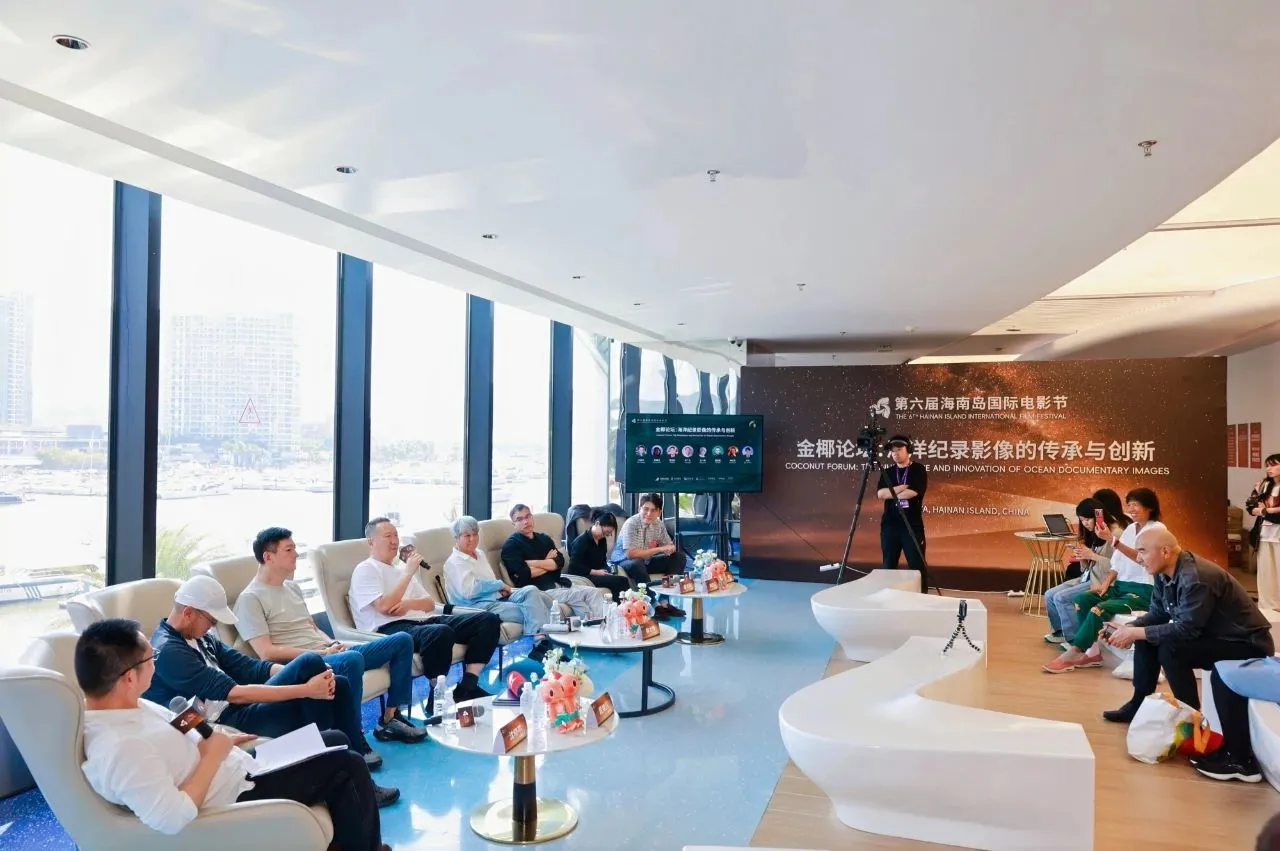
The forum gave ocean documentary filmmakers, researchers and enthusiasts a platform for exchange and helped advance ocean documentary and the communication of ocean culture.