





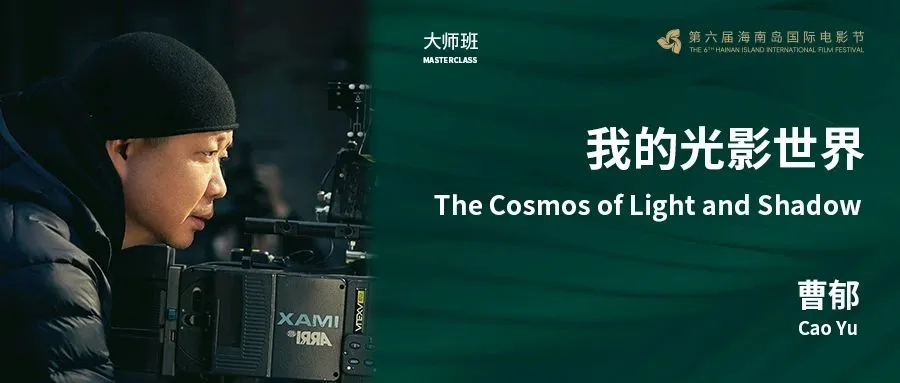
Cao Yu's visual style is renowned for its "poetic realism." Through the interplay of light and shadow, he creates a unique cinematic experience, perfectly intertwining the texture of reality with the beauty of poetry. Through his lens, audiences are able to enter a delicate and profound emotional world, one that is rooted in reality yet exudes a dreamlike poetic atmosphere. He is adept at using the exquisite language of light, shadow, color, and composition to endow the imagery with powerful narrative force and emotional depth, outlining his very own "world of light and shadow." This artistic expression of light and shadow is not only the hallmark of his works but also his relentless pursuit in creative exploration.
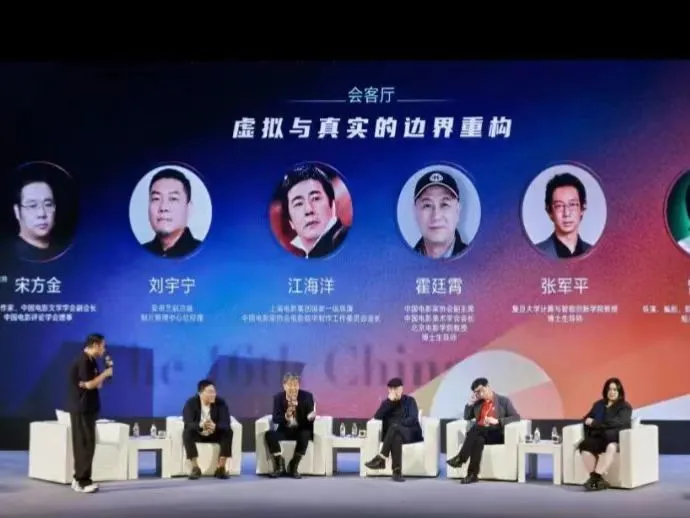
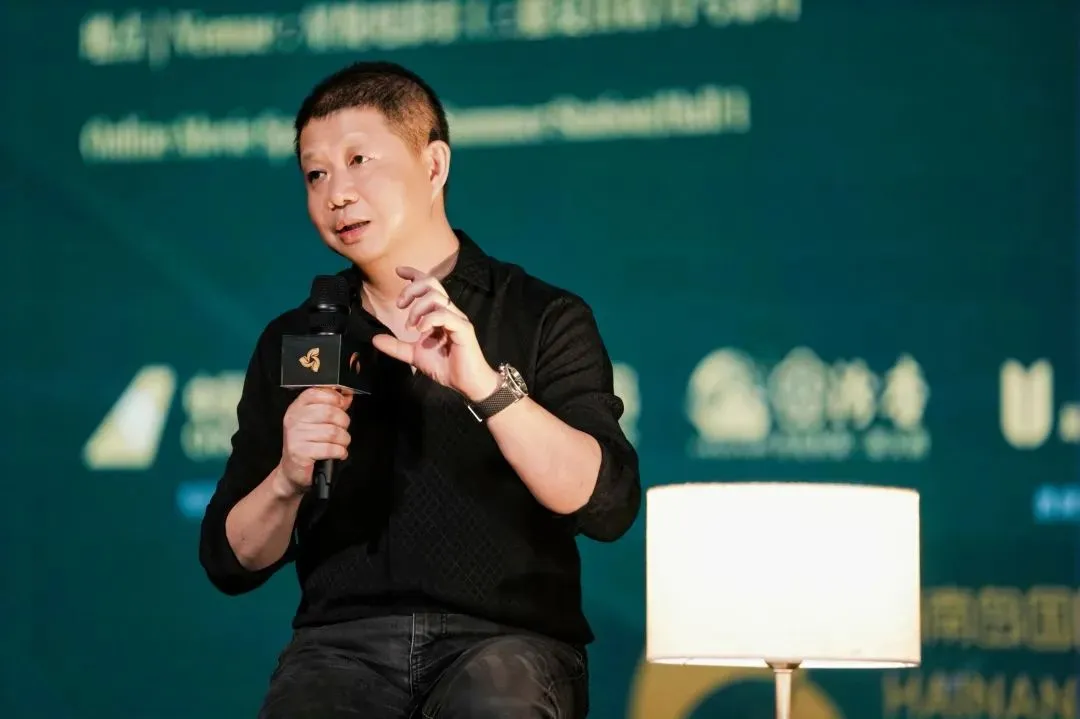
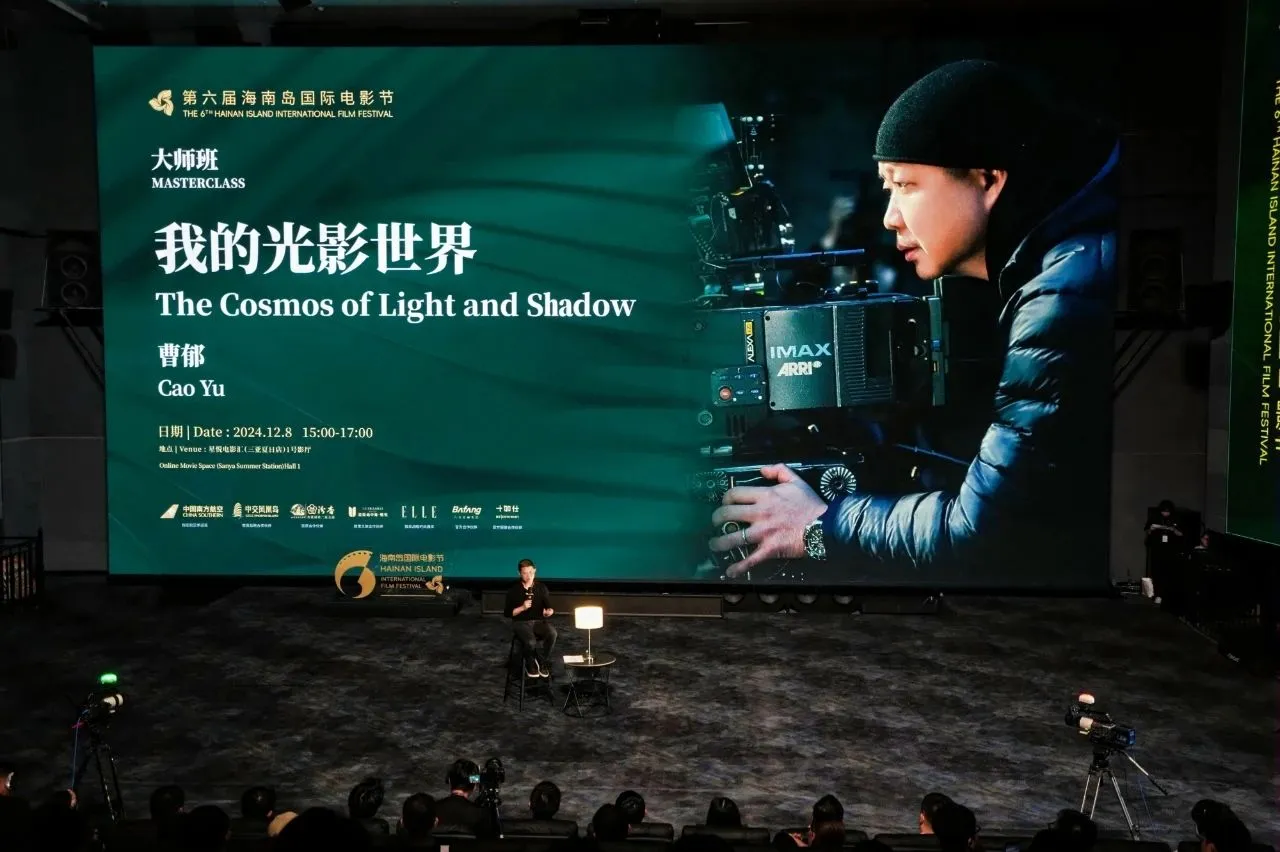
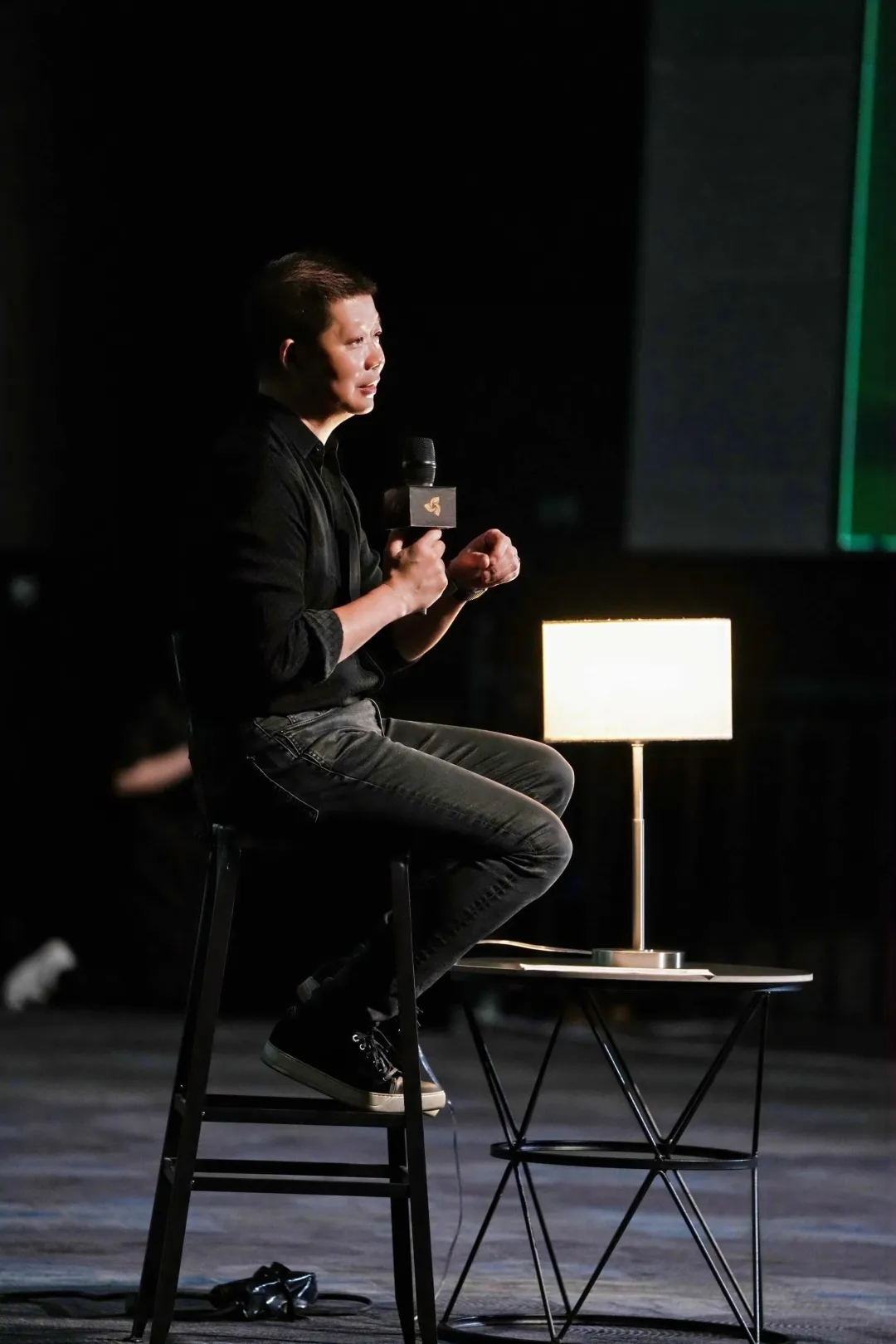
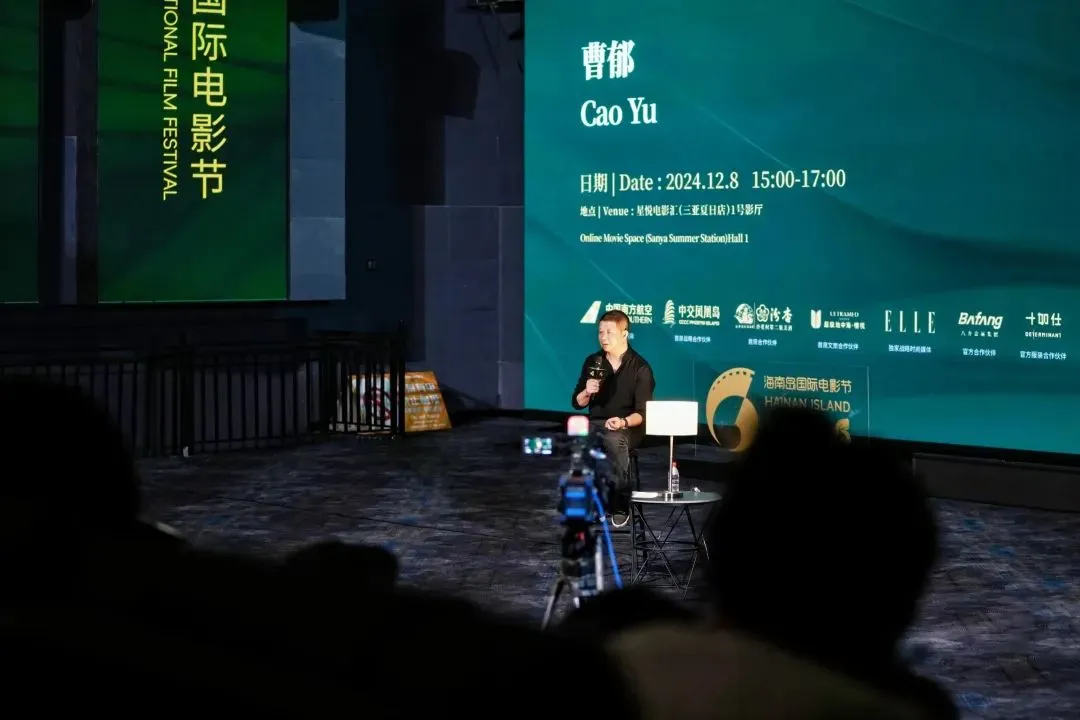
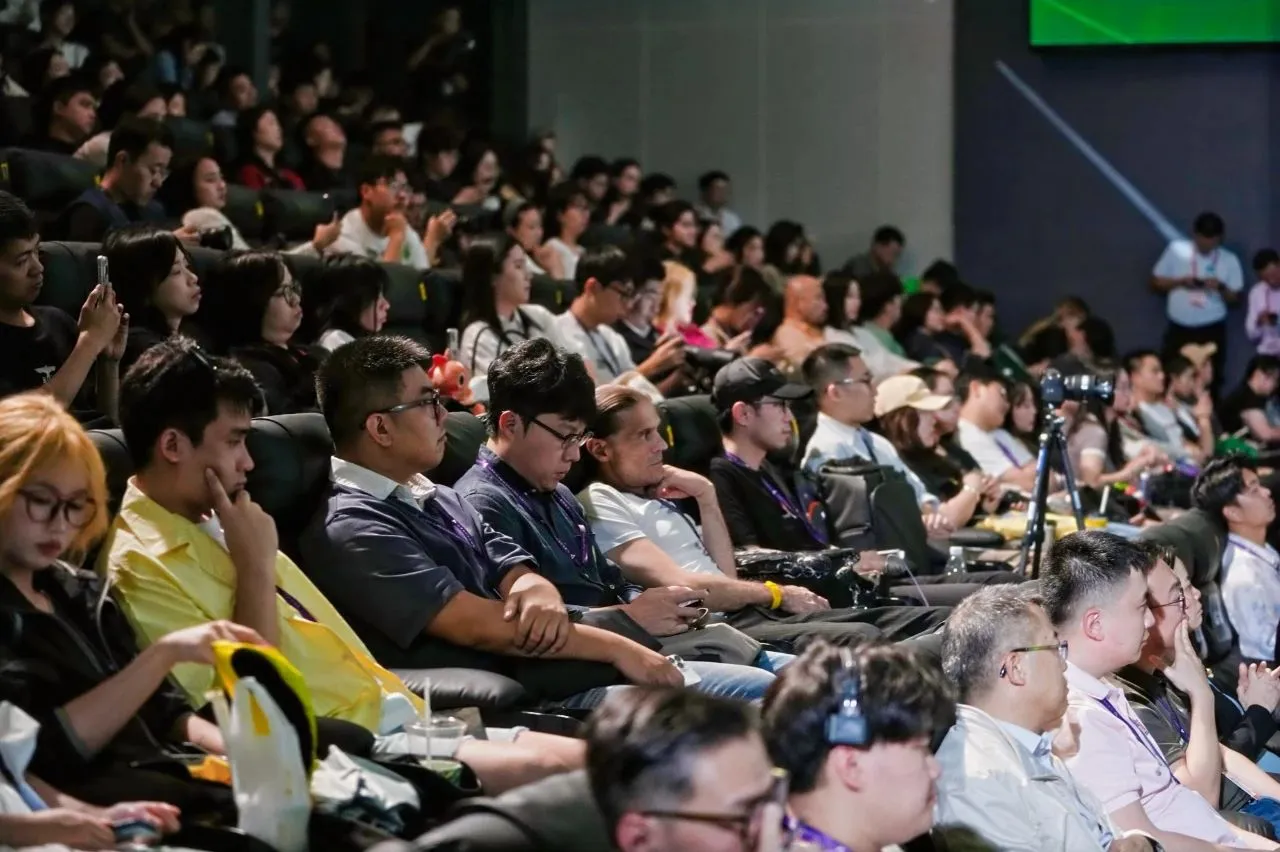
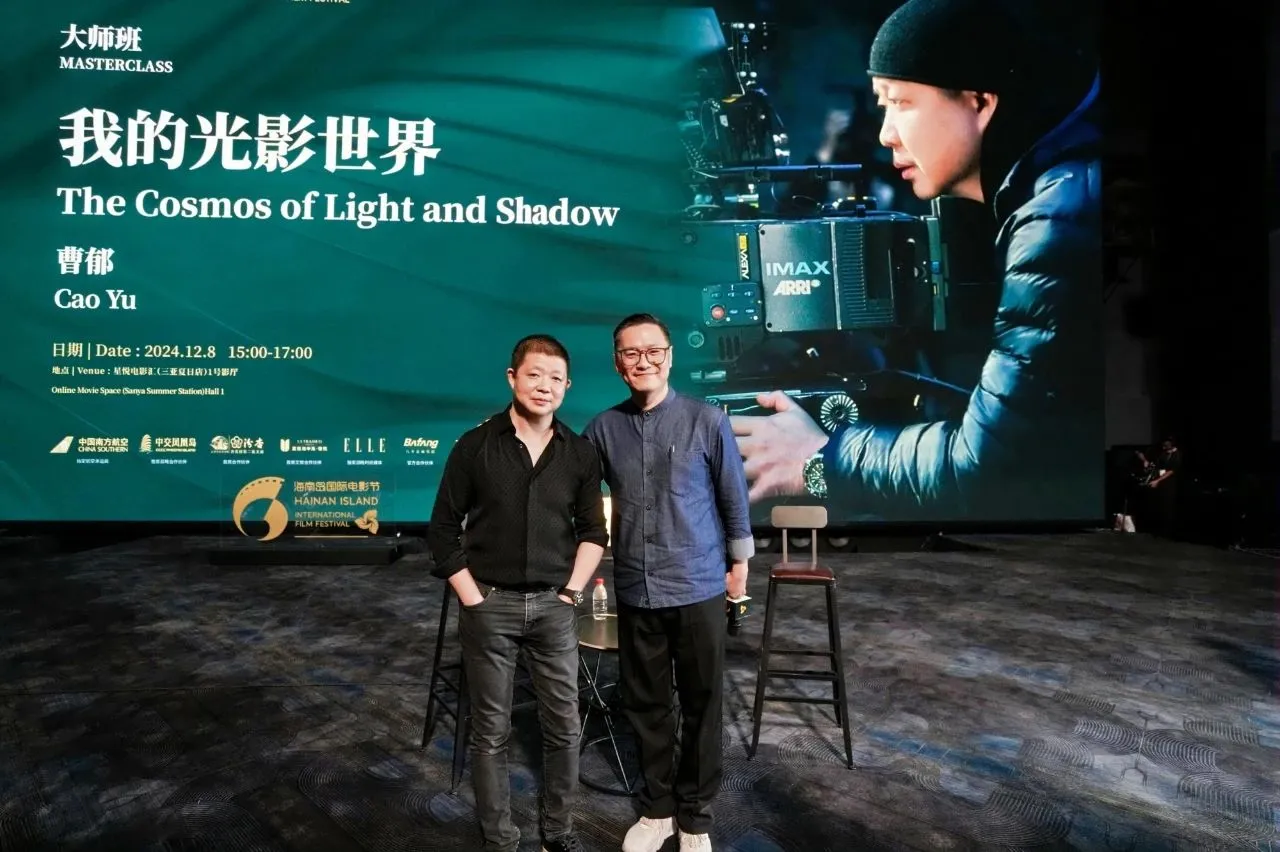
On the afternoon of December 8, Zheng Zhaojun hosted the Masterclass at the 6th Hainan Island International Film Festival (HIIFF). With the theme "My World of Light and Shadow," Cao Yu shared his creative journey with the audience, along with the artistic philosophy and practical experience hidden behind this "world of light and shadow," leading everyone in tracing his spiritual path along the way of light and shadow.
"Cinema is an art of dreams"
Cao Yu mentioned his understanding of cinema at the very beginning: "Cinema is an art of dreams; I feel that among all art forms, none is more like a dream than cinema." He believes that "there is no such thing as truly real cinema"—even documentaries require selection and editing. The charm of cinema lies in its ability to capture and recreate moments that transcend reality. "I want the audience to feel that from beginning to end, it is a dream, the whole thing is simply a dream." These concepts profoundly influence his creative methods, gradually shaping his unique visual style of "poetic realism."
Choosing "My World of Light and Shadow" as the theme stems on the one hand from his understanding of "cinema: the art of dreams," and on the other hand from the important role that light and shadow play in his filmmaking career. Each film is like a chapter in his life, bringing him new insights and growth within the world of light and shadow.
"When you are young, you must boldly make all kinds of attempts"
Cao Yu recalled that his passion for photography began in junior high school, when he was deeply struck by the visual effects in the film *The Last Emperor* (1987) after watching it. He shared one of his early works, a short film shot with a video camera during his high school years. Simple in content, featuring only scenes of clouds and the sun, it nonetheless showcased a youth's curiosity about the world and his eagerness to express himself.
Cao Yu's career began with his collaboration with avant-garde theater director Meng Jinghui, shooting *Like a Feather* (2002). He recalled: "That was my first time working with a famous director, and I felt quite nervous." Despite his lack of experience, he bravely incorporated all kinds of novel cinematic techniques into the work. "When you are young, you must boldly make all kinds of attempts. Even if some methods seem quite naive in retrospect, they are all necessary steps of growth."
"Nature gives you the answers to life"
*Kekexili* (2004) was Cao Yu's first major work after entering the film industry, and its shooting process was fraught with hardships. While scouting locations with director Lu Chuan, he faced numerous challenges. The harsh natural environment of the shooting location, including altitude sickness, lack of electricity, and limited equipment, made filming even more difficult. With only two cameras, three lenses, and one set of dolly track, the conditions were as rudimentary as a student assignment, plunging him into a creative dilemma where he could not find a solution for a long time.
However, after careful consideration, Cao Yu realized that he needed to let go of his own preconceptions and learn from nature. He had not previously studied the subjects in depth, nor had he fully integrated the dramatic content with the natural environment. Therefore, he decided to shoot following the feel of nature, choosing shooting moments based on different times and weather, and using natural light and shadow to impart meaning to the imagery, thereby creating an atmosphere that resonated with the narrative.
The success of this film was of extraordinary significance to Cao Yu, not only earning him a cinematography award but, more importantly, opening up his inner self. He reflected: "While shooting *Kekexili*, nature called out to me. Later, having experienced that feeling, I realized that nature gives you the answers to life." This film taught him that the quality of cinematography depends not only on visual shaping abilities and technical means, but more crucially on whether one can understand the narrative and align with it, which is vital for the entire filmmaking team.
"The landscape of human nature is the most important"
Unlike *Kekexili*, where the natural environment was the key character, in *City of Life and Death* (2009), "the landscape of human nature is the most important." To highlight this, Cao Yu considered shooting on black-and-white film, because black-and-white possesses a "sense of purification," allowing the audience to focus their attention on the actors' "eyes" and "faces." "This is a film about faces, not a film about an environment."
"You need to turn ideas into something visual." To convince the investors and partners, they produced test reels in both color and black-and-white, and ultimately, based on the results of the test reels, they confirmed the shooting plan using black-and-white film.
Upon entering the shooting phase, faced with an ample budget and a rich selection of equipment, Cao Yu instead fell into anxiety. Although the initial test reel configuration was luxurious, the effect was "not that spectacular," making him feel that the black-and-white photography had "a bit of a pretentious vibe." Therefore, he tried handheld shooting for a test, and Lu Chuan also approved the unique feeling brought by this shooting method. Cao Yu explained that handheld shooting, like shooting a video with a mobile phone, is a "completely spontaneous reaction," allowing the cinematographer alone to determine all the movement within the frame, endowing the film with a stronger sense of presence and authenticity.
The filming of City of Life and Death lasted for eight months, a process that gave Cao Yu a unique and rare experience, making him feel an unprecedented sense of "relaxation." He stated, "It's not that you feel relaxed because you've already won awards or something, but rather that you are so focused on the content, you love the actors so much, that you forget yourself, and naturally, you become relaxed." This sense of relaxation not only allowed him to be more deeply engaged during the shoot but also added a unique charm to the film.
Cao Yu believes that good films are like segments of life; City of Life and Death made him feel as if he were right in Nanjing in 1937. He marveled at the wonder of filmmaking: "A film shoots itself." When the film achieves the desired effect, it feels as though the film has a life of its own.
"The Summoning of the God of Cinema"
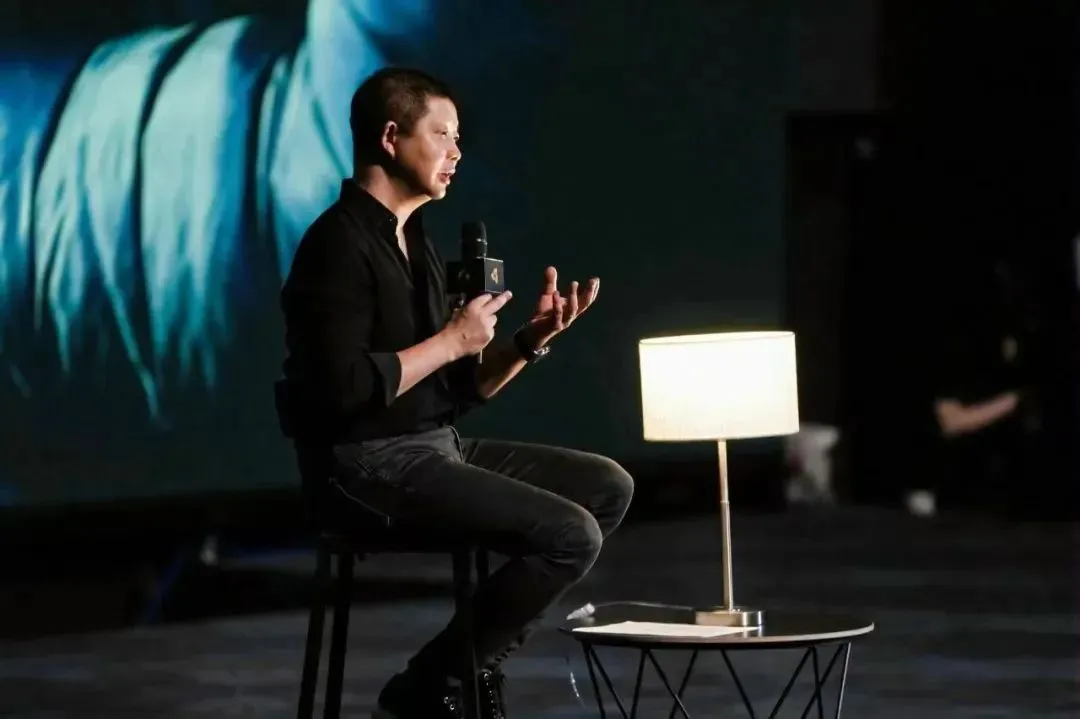
Cao Yu bluntly stated that The Eight Hundred (2020) was the "most complex film" he had ever shot. Its combat theme was similar to City of Life and Death and it was a super production, bringing him immense creative difficulties. In terms of creative approach, he believed the core of the film lay in the "contrast between light and darkness," as quoted in his cinematography statement: "In the darkest night, there is the brightest light." This concept ran throughout the entire film, especially embodied in the night scenes, where the struggle between life and death was highlighted through the contrast of light and shadow.
To avoid repeating himself, Cao Yu decided against black-and-white cinematography, opting instead to craft a "color noir" style. He designed the south bank with a stronger sense of color, referencing the photographic works of Saul Leiter and the scenery of New York, Paris, and other places, while basing the architecture on Shanghai. By contrasting the colors of the south bank with the brutal battle scenes inside the warehouse, he enhanced the visual effect. Light shining from the south bank, symbolizing life, into the north bank warehouse created a unique atmosphere, allowing the audience to feel the conflict between hope and reality.
The success of the film is inseparable from collective strength. Cao Yu reflected that The Eight Hundred made him deeply realize that film is the crystallization of collective power. During the shoot, the indescribable tacit understanding and rhythm felt like a "summoning of the God of Cinema," with every moment being just right and perfectly presented. This filled him with awe for filmmaking, and this work became yet another important milestone in his creative career.
"You Can Always Keep Moving Forward"
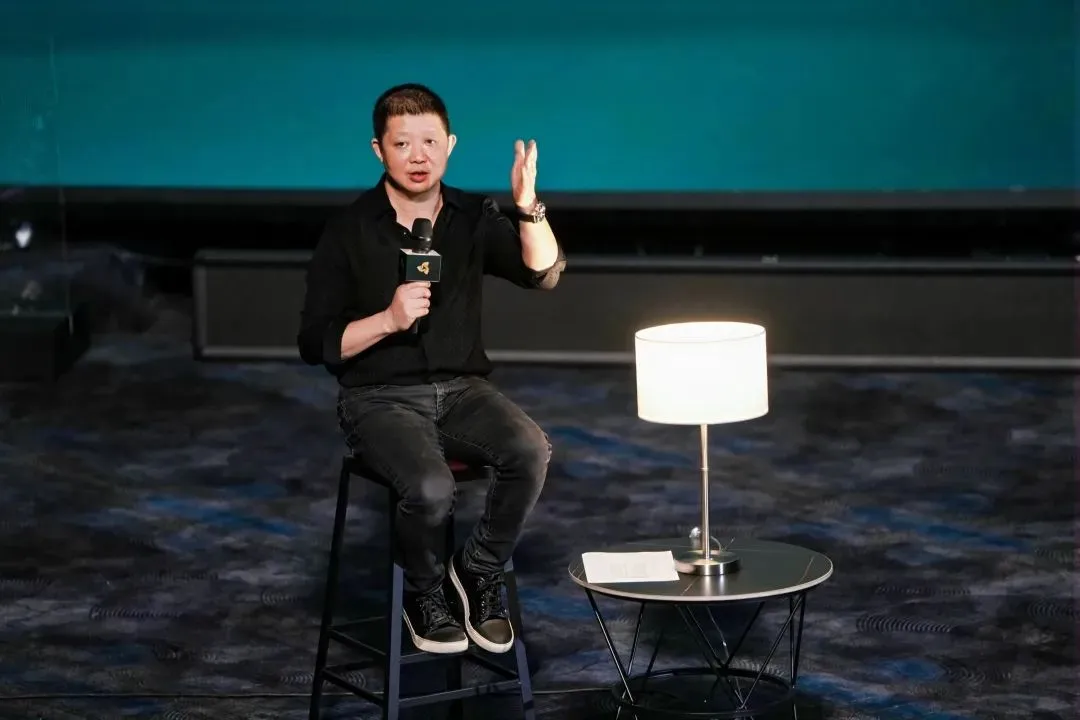
After The Eight Hundred, Cao Yu encountered The Cord (2022), which had a completely different style. Because the original cinematographer left midway, Cao Yu took over the shooting responsibilities at a critical moment. The contrast was stark: from 2,000 lights on The Eight Hundred to only 12 on The Cord, this drastic reduction in equipment made him, who was accustomed to grand scenes, "very unaccustomed."
Although the conditions were rudimentary—even more "streamlined" than back in Kekexili: Mountain Patrol, with only one drone left—Cao Yu found an unprecedented sense of ease. Without the pressure of a thousand extras waiting on set, the shooting returned to simplicity, relying on the natural light of nature. Moonlight became the backlight, and real firewood was burning on set, giving the imagery a distinctive earthly warmth. Cao Yu said bluntly: "The Cord is a very important film for me. I think I did a pretty good job shooting it, and it counts as one of my representative works, because it allowed me to rediscover a part of my former self."
This film held special significance for Cao Yu, giving him answers about life and death. During the shoot, Cao Yu's mother passed away. The heavy blow did not crush him; instead, he channeled this emotion into the creation of the film. The ending of the film happened to be a farewell scene between a son and his mother. Having just rushed back from a Beijing hospital, Cao Yu put aside his grief and calmly threw himself into the shoot. "I designed and shot every single shot myself. It felt especially like my mother was using the medium of this film, like teaching a child to walk—first the left leg, then the right leg. Every shot was like taking a step, teaching you how to take each step forward." This scene was full of deep emotion and release. After wrapping, dawn broke. Standing in the Inner Mongolian wilderness, looking at the set still trailing smoke, Cao Yu felt a sense of bewilderment, yet also as if he had an epiphany: "You feel like you've gained something, and that thing is the light that emerges in our films, those sparks flying from the bonfire. As they scatter in the wind, you suddenly realize that this is life, and you can always keep moving forward."
From his earliest short films to his most recent works, these films overlap with many nodes in his life. In Cao Yu's view, "Film is a lifelong endeavor; film is the most perfect dream."
"People Are Always More Important Than Machines"
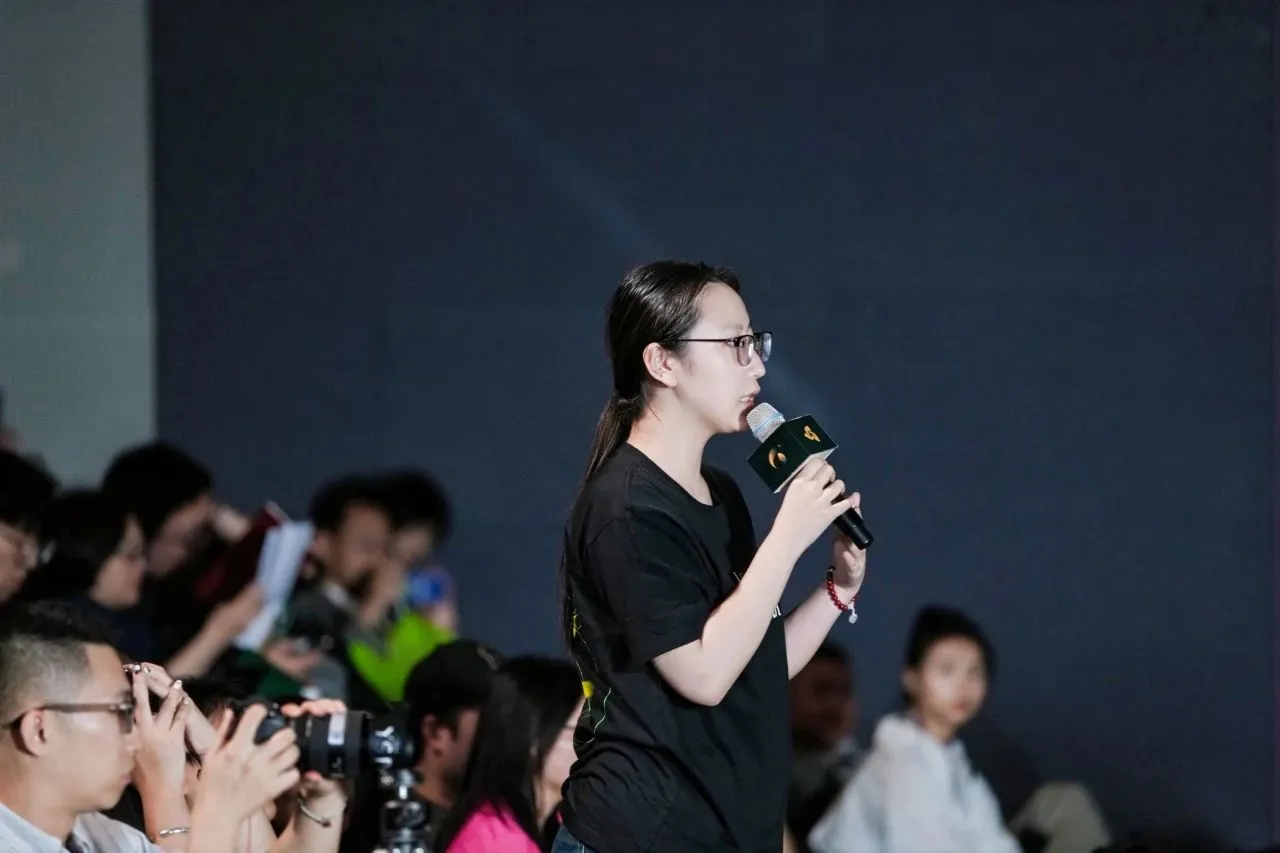
During the interactive session, Cao Yu actively engaged with the audience, answering multiple questions related to filmmaking. Regarding the issue of limited equipment and funding for young directors, he advised: "For student graduation projects not intended for theatrical release, the choice of camera is relatively flexible. The key is to shoot solidly and to find the best collaborators possible, such as actors, cinematographers, etc., because 'people are always more important than machines.' This is crucial for maximizing one's personal style."
When asked by an audience member how to balance artistic pursuit and commercial considerations during the creative process, Cao Yu replied: "Actually, in my view, good art and commerce are not in conflict. Just like in some of the films I've participated in, although commercial factors must be considered, I always insist on having uniqueness and artistry in the visual presentation. Only by shooting images of quality and depth can we attract audiences into the theaters, which in the long run is also a guarantee of commercial success."
From his specific creative practices to his reflections on the journey of life, Cao Yu fully demonstrated his "poetic realism" visual style in this Masterclass, providing valuable experience and inspiration for film professionals and enthusiasts alike, and injecting new vitality and thought into the development of the art of cinema. We look forward to future filmmakers building on these experiences, continuously innovating, and bringing more wonderful works to audiences.
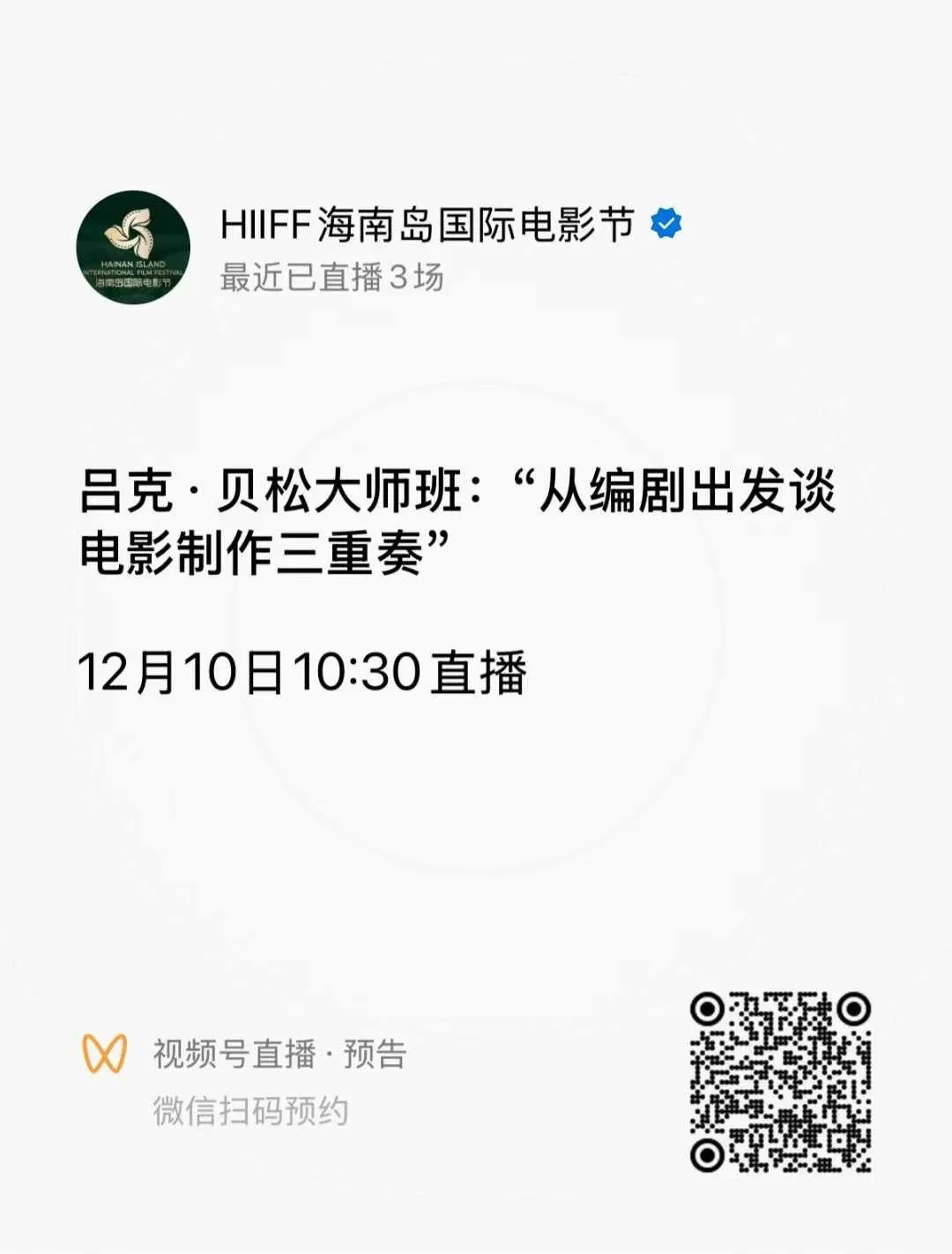
Scan the QR code to reserve the Masterclass livestream