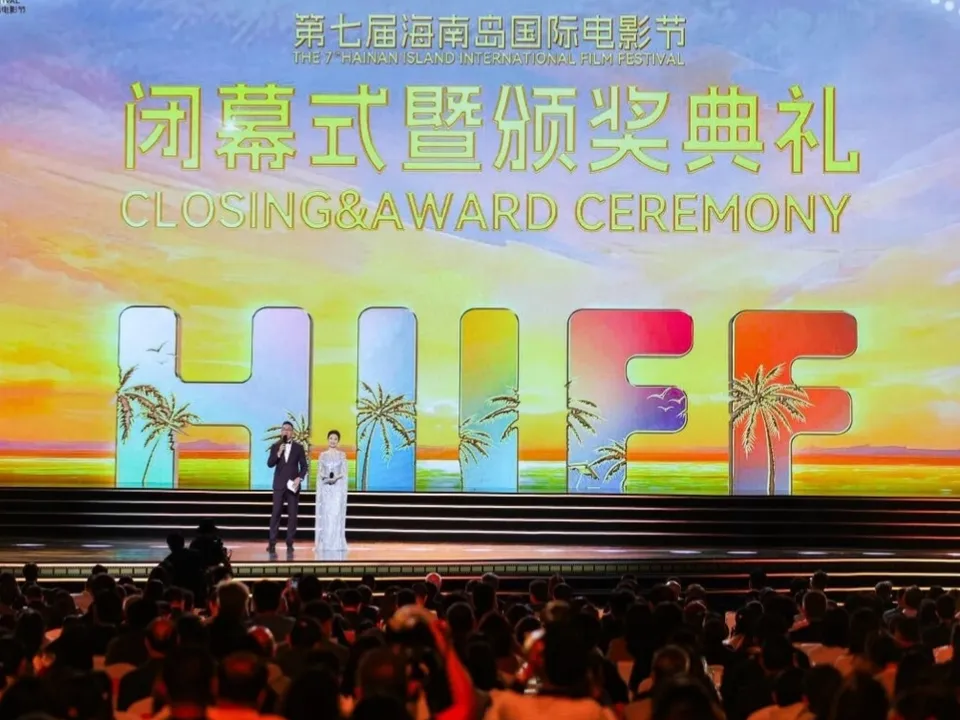






On December 7, the post-screening events continued from the previous day. Two films from Omnes Films, Ham on Rye and Christmas at Miller's Point, kicked off today's screenings, both directed by Tyler Taormina. As the first feature film released by Omnes Films, Ham on Rye uses surreal cinematography to depict the empty lives of a group of small-town teenagers, while Christmas at Miller's Point is adapted from the director's real-life experiences, portraying the various dramatic stories that unfold within a family on Christmas Eve.
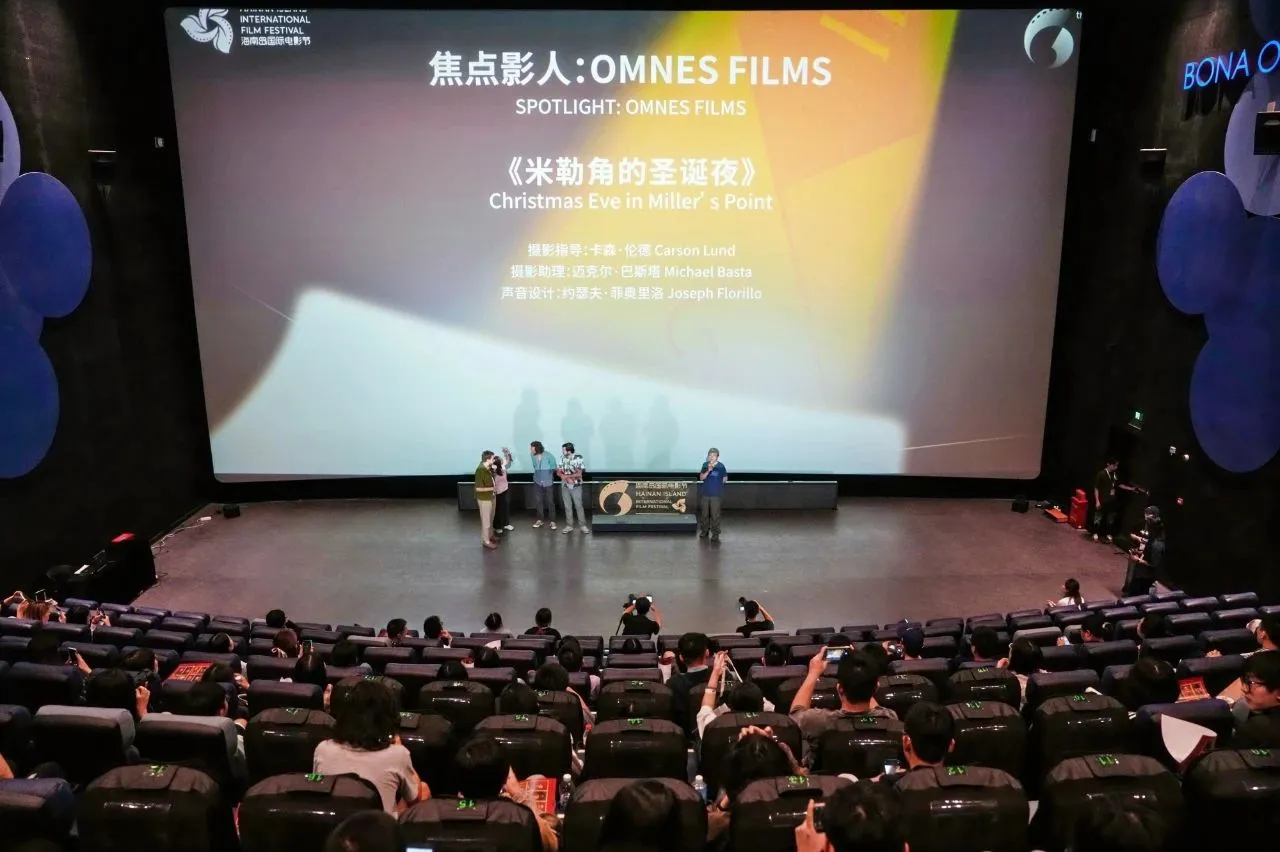
During the post-screening event for Ham on Rye, director of photography and producer Carson Lund, co-producer Michael Basta, and sound designer Joseph Fiorillo attended for a Q&A session. Before formally discussing the film, the three guests first shared their feelings about coming to Hainan to attend the HIIFF, spoke highly of the cultural and entertainment atmosphere in Sanya, and specifically emphasized their love for Hainan's cuisine.
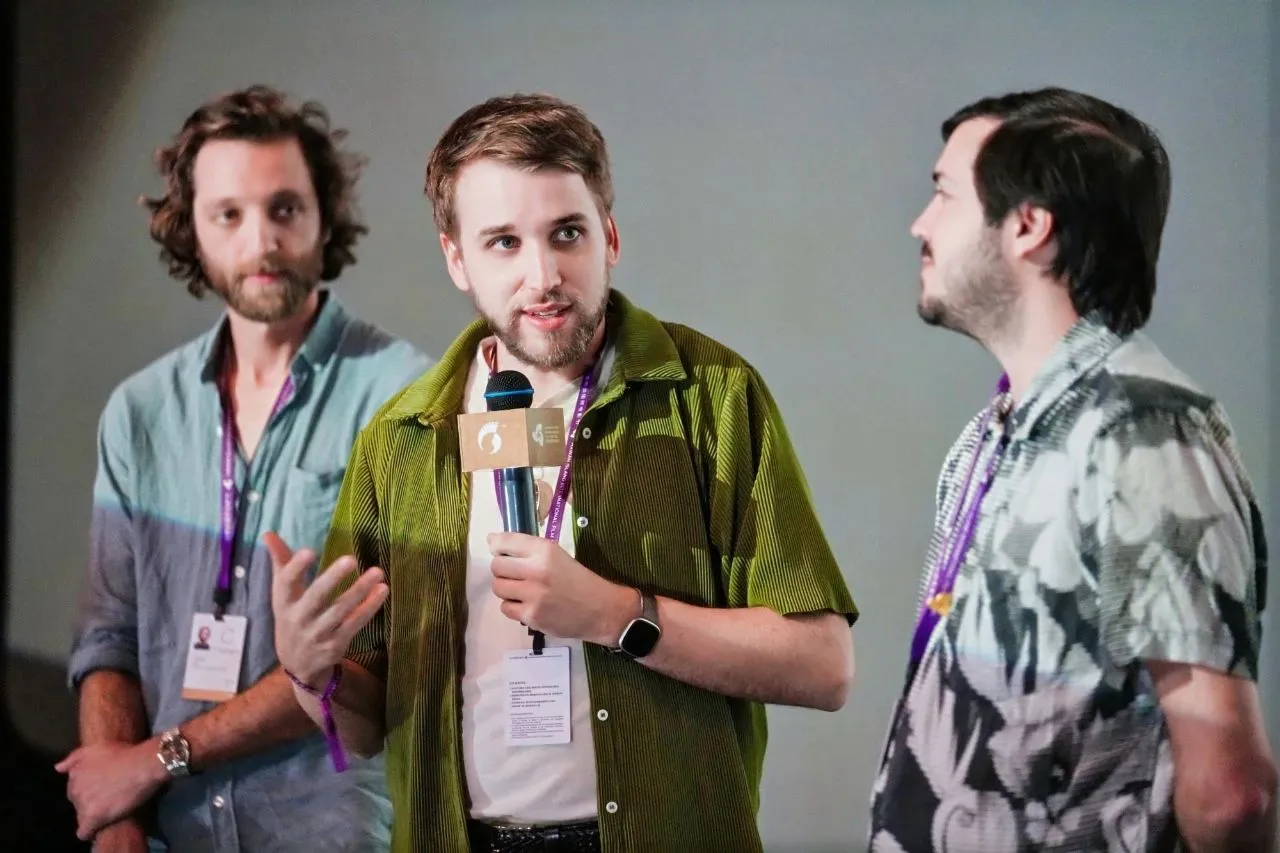
In addition, the creators mentioned that the establishment of Omnes Films originated from the members forming a band together. Hitting it off immediately, they embarked on a journey of filmmaking. Director Tyler Taormina also incorporated some of the band's early works into the soundtrack of Ham on Rye. This design highlights the film's creative principle: using unconventional elements and narrative techniques to reinterpret the growth and awakening of American small-town youth from a 21st-century perspective.
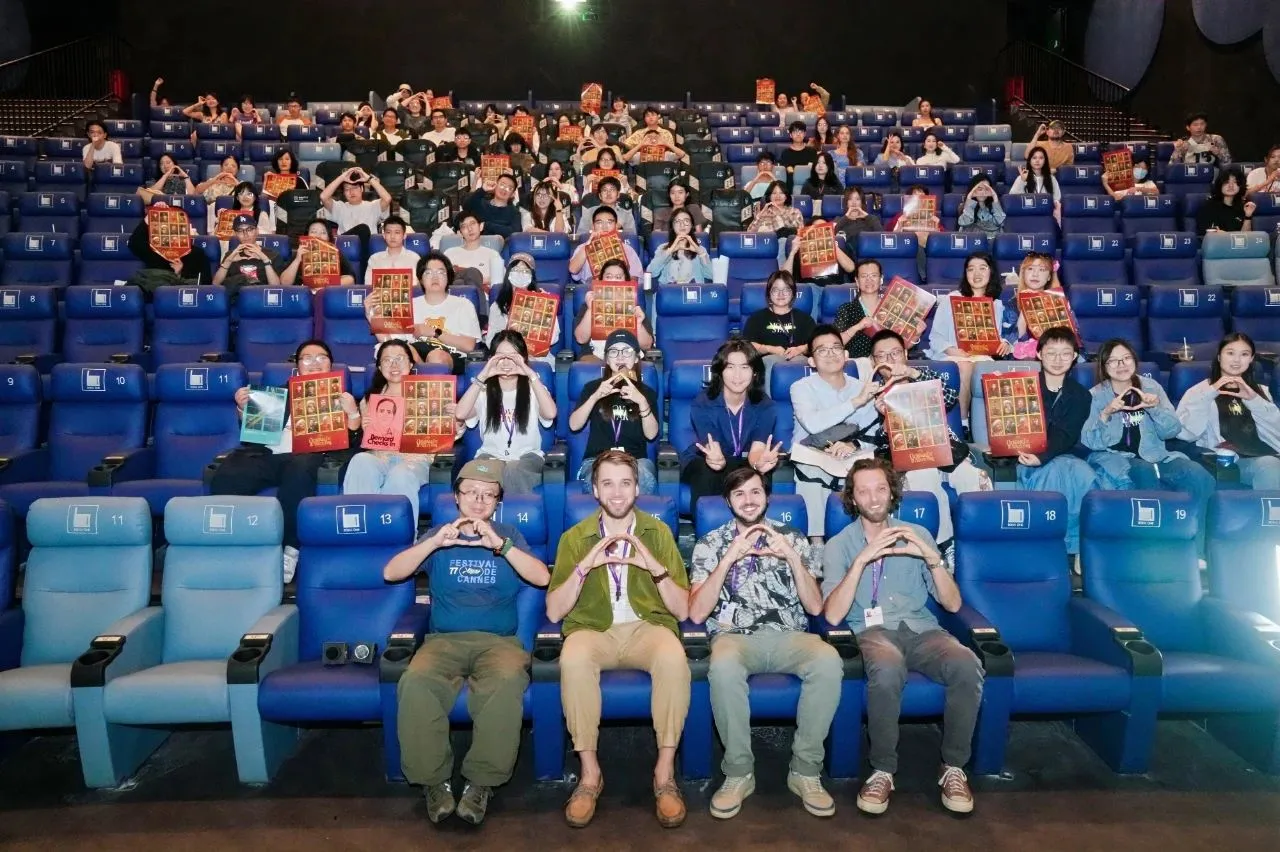
During the post-screening Q&A for Christmas at Miller's Point, Michael Basta elaborated on the core spirit of Omnes Films: collaboration. Filmmaking requires the joint efforts of the entire team, which is the only way to go further.
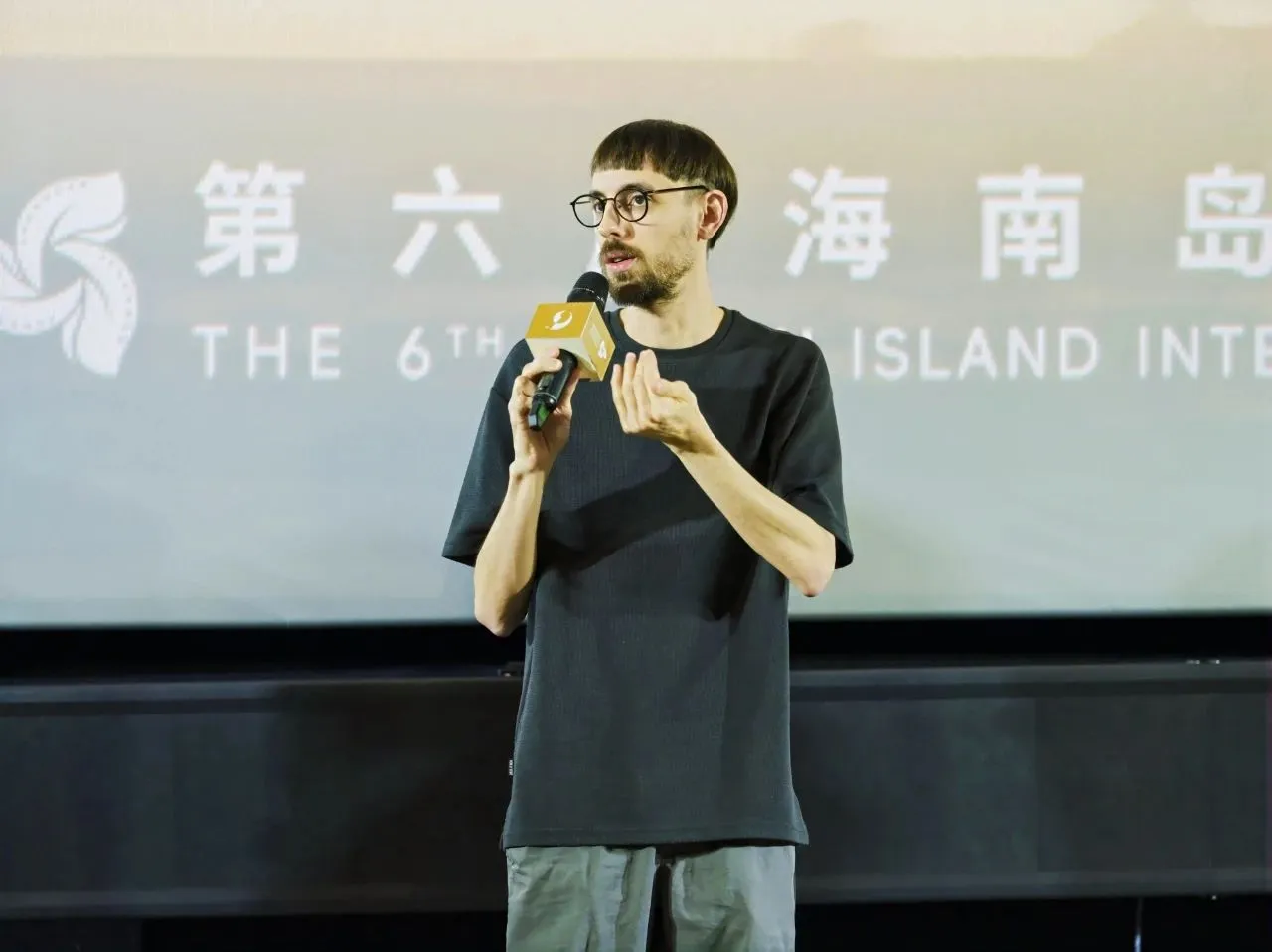
Next was the screening of the Spanish-language documentary An Oscillating Shadow, bringing the audience an artistic experience that transcends history and reality, as well as private memory and public emotion. Set against the social backdrop of Latin America in the 1970s, the film employs 16mm cinematography and unique sound design to present a profound dialogue between father and daughter, history and reality, and truth and fiction. Using fiction as a fulcrum, it constructs a narrative space between the real and the imaginary. Through imagery and dialogue, the director explores how historical trauma can be expressed through sound and image.
After the screening, the film's sound director José Julián Galay appeared in person, sharing various behind-the-scenes stories and creative insights with the audience. He mentioned that sound in the film is not merely an auxiliary to the narrative, but a tool for shaping emotion and atmosphere. He cleverly processed noise and sound effects, giving the film a rich sense of layering auditorily, allowing the audience to feel the texture of history and the tension of emotion through sound.
Another Mandarin-language documentary, Never Too Late, also made its appearance today. Director Yang Lizhu and producer Zheng Quan attended, sharing the film's creative motivation, fundraising process, shooting details, and other aspects. The film focuses on the divorce dispute between the director's own grandparents, not only depicting the story of a family but also, through the life trajectories of the two elders, expressing unique insights into past history and social reality, especially the struggles of women within traditional values and social structures.
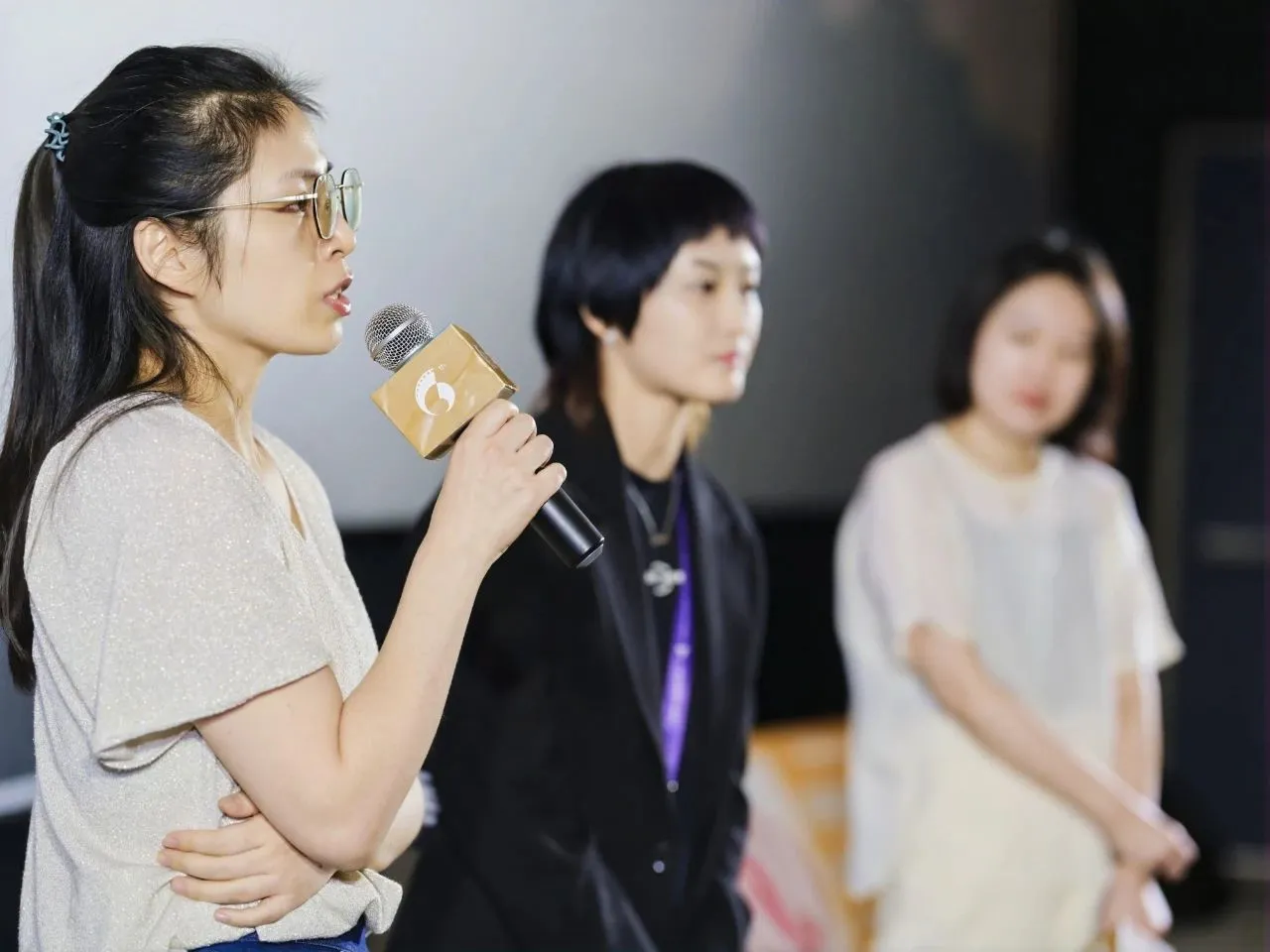
During the post-screening Q&A, the director mentioned that her true interest in documentaries began with watching Life in Stills (2011), which similarly presents a delicate observation by a grandchild of a grandparent's story. The director stated that she was deeply moved by the emotional intensity between the two generations, which sparked her motivation to make documentaries. It so happened that at this juncture, a series of events occurred between her grandfather and grandmother, and thus the idea for making this film sprouted. Interestingly, the director's own father and mentor were also present. During the audience interaction segment, the two revealed more touching production details, adding warmth and profound meaning beyond the film itself.
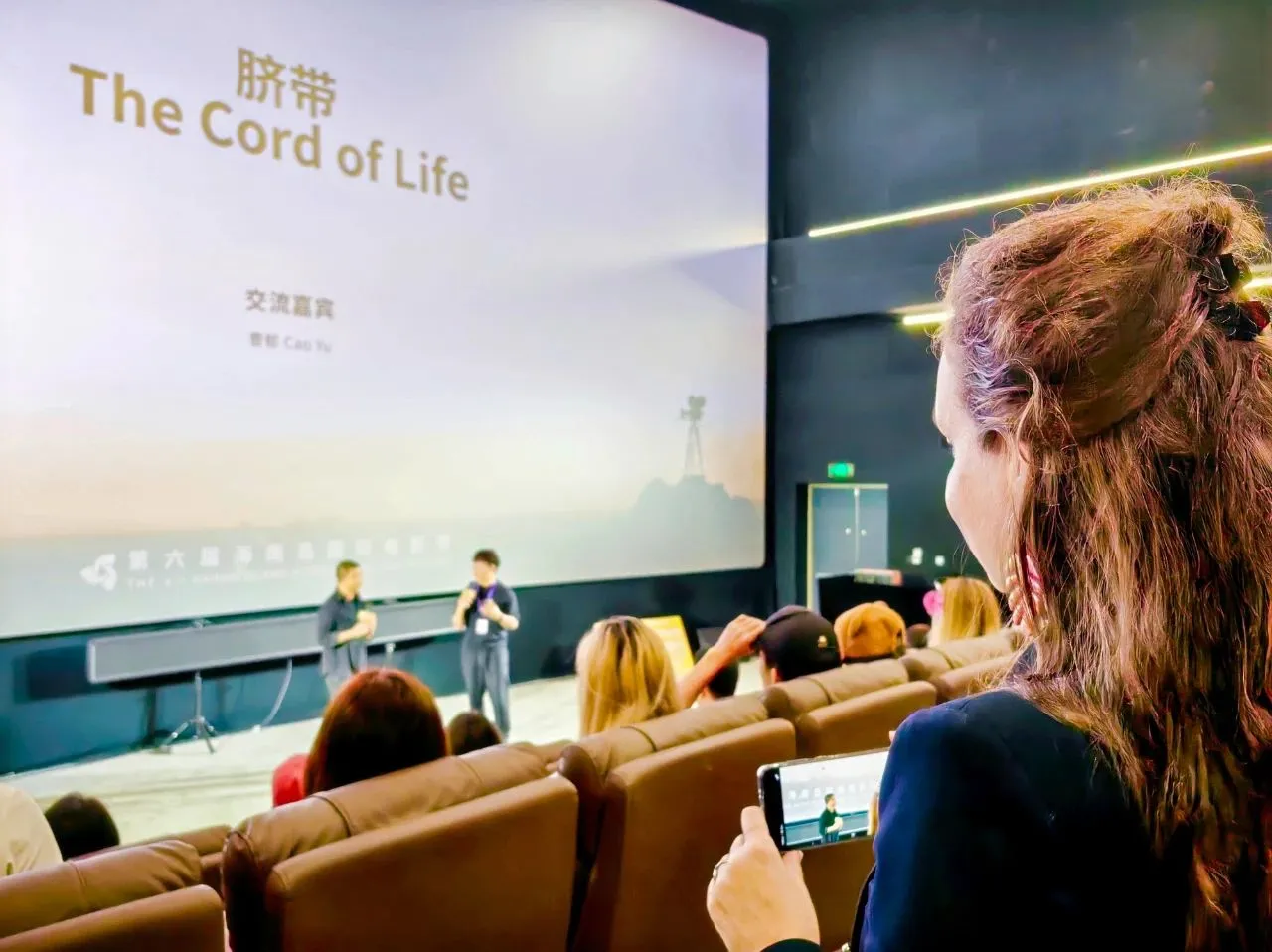
The final post-screening event of the day was for the film Umbilical Cord, executive produced by Yao Chen with Cao Yu as director of photography. The film focuses on the deep bond between a mother and son on the grasslands, telling the touching story of the son, Arus, taking his mother, Narenzoge, who suffers from Alzheimer's disease, to search for the home in her memories.
During the post-screening Q&A, as the director of photography of Umbilical Cord, Cao Yu shared behind-the-scenes stories of the film from script to production. Cao Yu not only assisted director Qiao Sixue in polishing the script but also emphasized the importance of casting to the film's presentation, stating, "The right actors can make the characters more authentic and moving." He also specifically mentioned the critical nature of teamwork and how to coordinate resources within a limited budget to ensure the film's quality.
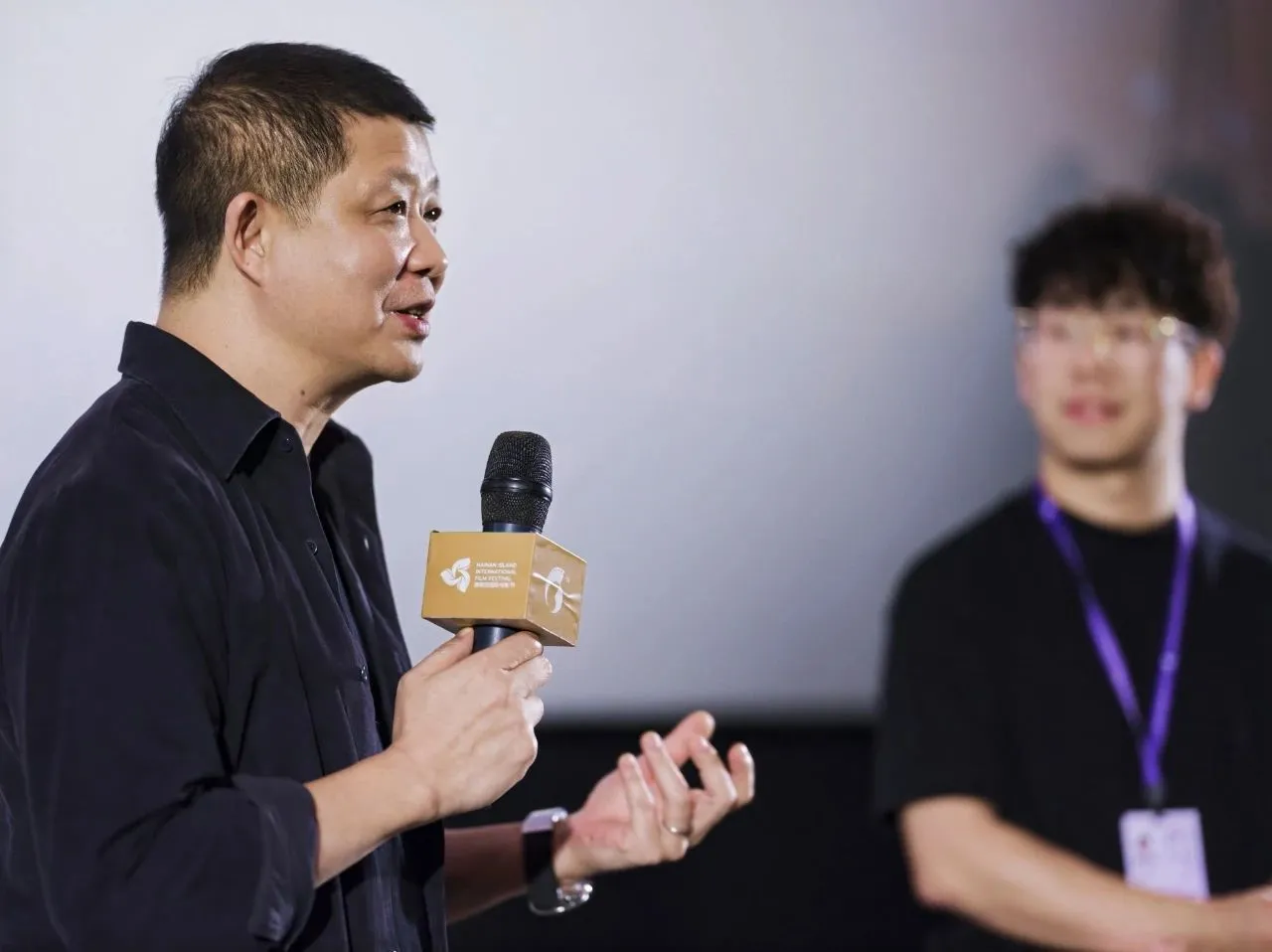
When discussing the creative mode, Cao Yu stated that although the film's production leaned more towards a artisanal workshop style of creation, it adopted an industrialized model in management, which also guaranteed the high-quality final presentation of Umbilical Cord. In terms of cinematography, Cao Yu shared his unique lighting techniques. He mentioned that within a low-cost budget, the entire film was lit using only 12 lights. Despite the limited conditions, the efficient and precise lighting setup perfectly presented the natural beauty of the grassland environment and successfully rendered the film's intended visual texture.
The warmth of artistic creation requires the dedicated effort of every participant. Behind Umbilical Cord lies not only a touching story but also a profound pursuit of the art of cinema. Through Cao Yu's interpretation of light and shadow, lens and emotion, the film left an even deeper impression on the audience's hearts.