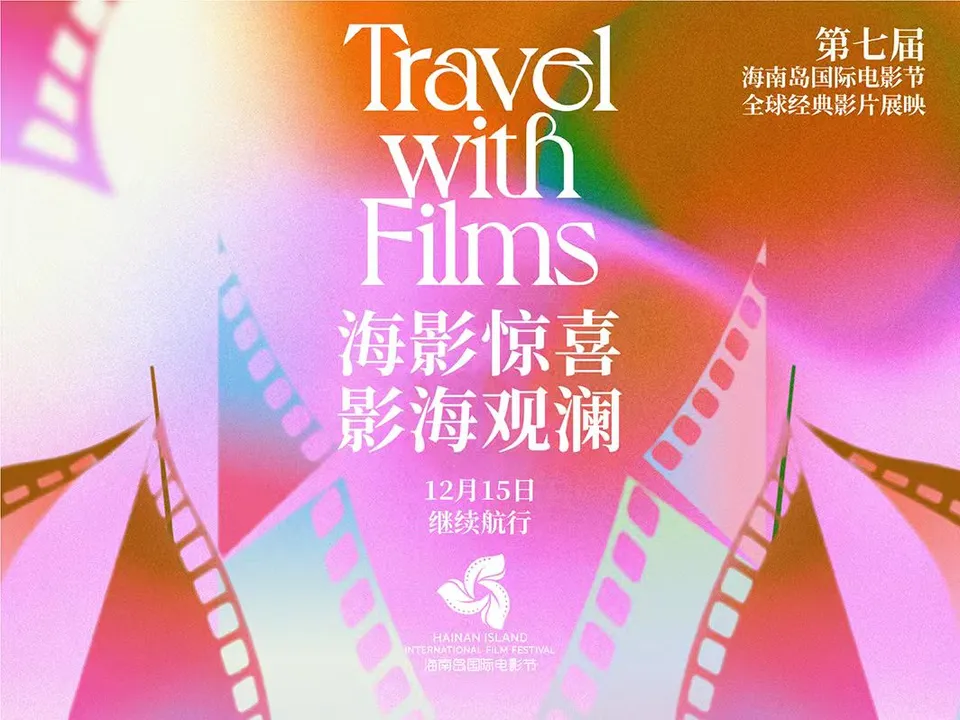






The "Facing the East: A Century of French Cinema on China Special Exhibition" will be screened centrally at Hall 6, Xingyue Cinema Hub (Sanya Summer Station) from December 6 to 8. Meanwhile, two restored silent films, Le Voile du Bonheur and La Croisière Jaune, will feature live musical accompaniment on the evenings of December 6 and December 7, respectively. For this special event, the exclusive ticketing platform "Maoyan" still has tickets available. Film fans and citizens are welcome to purchase tickets online.
Live Musical Accompaniment Event Information
Le Voile du Bonheur (1923)
Screening Session: December 6 20:00-21:15
Live Musical Accompaniment: Zhang Tianlei (young Miao Lusheng performer) & Xiao Cui (music production, film sound design)
La Croisière Jaune (1938)
Screening Session: December 7 19:30-21:00
Live Musical Accompaniment: Wen Liang (film and television music producer/electronic music/composer, music editor) & Yan Jun (music producer, mixing engineer, arranger, electronic music researcher and practitioner)
Perhaps we cannot determine whether Jean-Baptiste Du Halde writing Description de l'empire de la Chine or Voltaire adapting The Orphan of Zhao better represents that distant "Chinoiserie" craze, especially since neither had ever been to China. However, we may catch a glimpse of how France's attention to Chinese culture has been like a slowly burning ember that continues to this day.
When imagination becomes travel, when words transform into images, and when the pen becomes the camera, these threads can still extend to the present day. Was the East invented by the West? Within the framework of Said's Orientalism, were there ever occasional personal expressions? If the so-called "Occidentalism" from a cultural perspective does not exist, are there still certain moments that reveal a hint of "self-Occidentalism"?
We obviously cannot separate Eastern and Western cultures into two distinct halves. When we watch these films, we may need to place a new external perspective (vu par ailleurs) outside of these original external perspectives, or at least treat their performative act as part of the East's own expression of subjectivity, re-incorporating the long-standing "gaze" and "being gazed upon" into a dynamic and multi-dimensional system of thought.
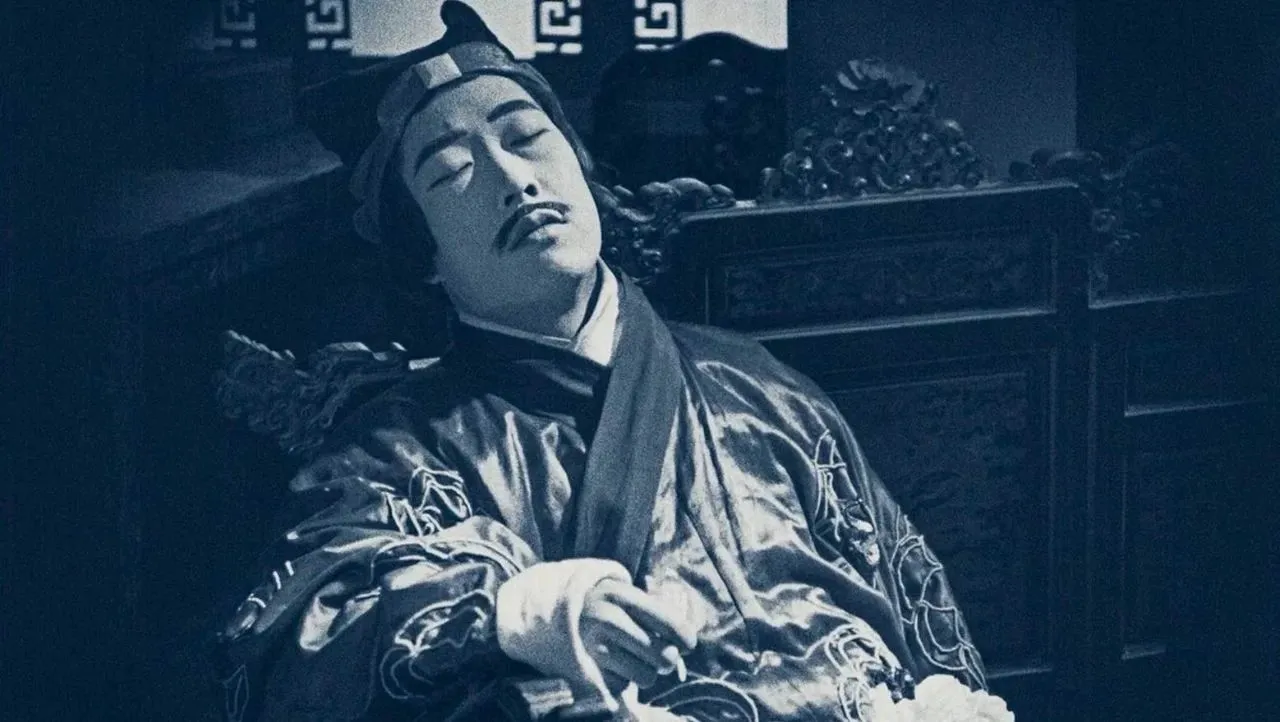
The 1923 version of Le Voile du Bonheur by Édouard-Émile Violet was actually the second film adaptation of the play of the same name by French "Tiger" Prime Minister Georges Clemenceau.
The first version was completed in 1910 by silent film master Albert Capellani. In contrast, the Violet version featured an all-Chinese cast for the first time. Xu Hu, who was then a film student and one of the pioneers of Chinese cinema, served as assistant director and lead actor. The filming also received strong support from the Consulate General in Paris, making it a work that strived to adhere to "Chineseness". Its level of authenticity was so high that Lu Xun, watching it in a Shanghai cinema, evaluated it as a "domestic film", criticizing it as "extremely shallow and absurd". As of last year, this film, long thought to be lost, was finally rediscovered and restored.
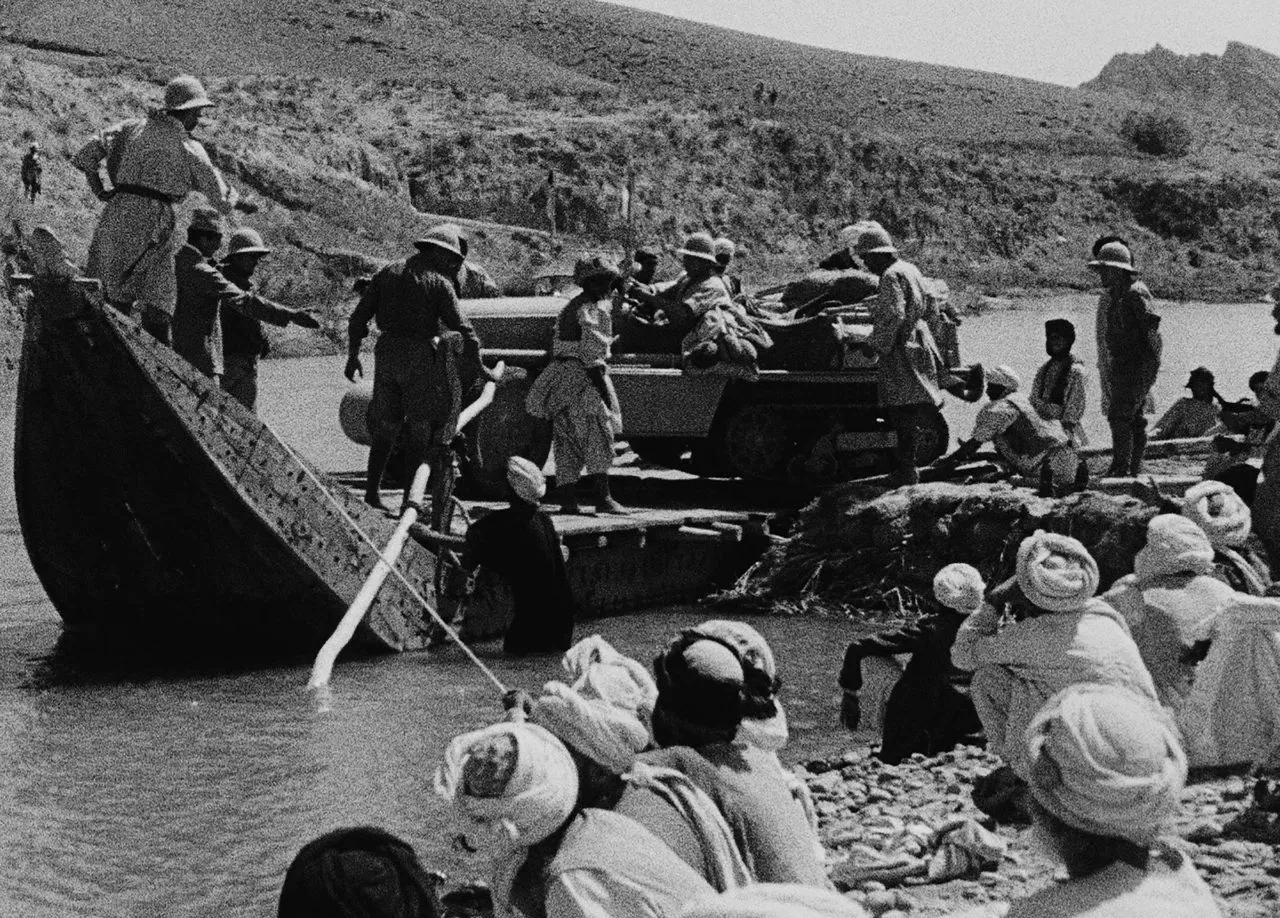
La Croisière Jaune (1938) was likely the last large-scale scientific expedition before World War II. André Sauvage, who accompanied the expedition, was not yet 40 years old. As one of the important pioneers of early French experimental and documentary cinema, La Croisière Jaune was both the peak of his career and its unfortunate end. The version presented here is not the standard sound version of La Croisière Jaune, as the latter was completed by Léon Poirier after Sauvage was dismissed by the car sponsor—Sauvage's film concept could not meet the demands of commercial promotion.
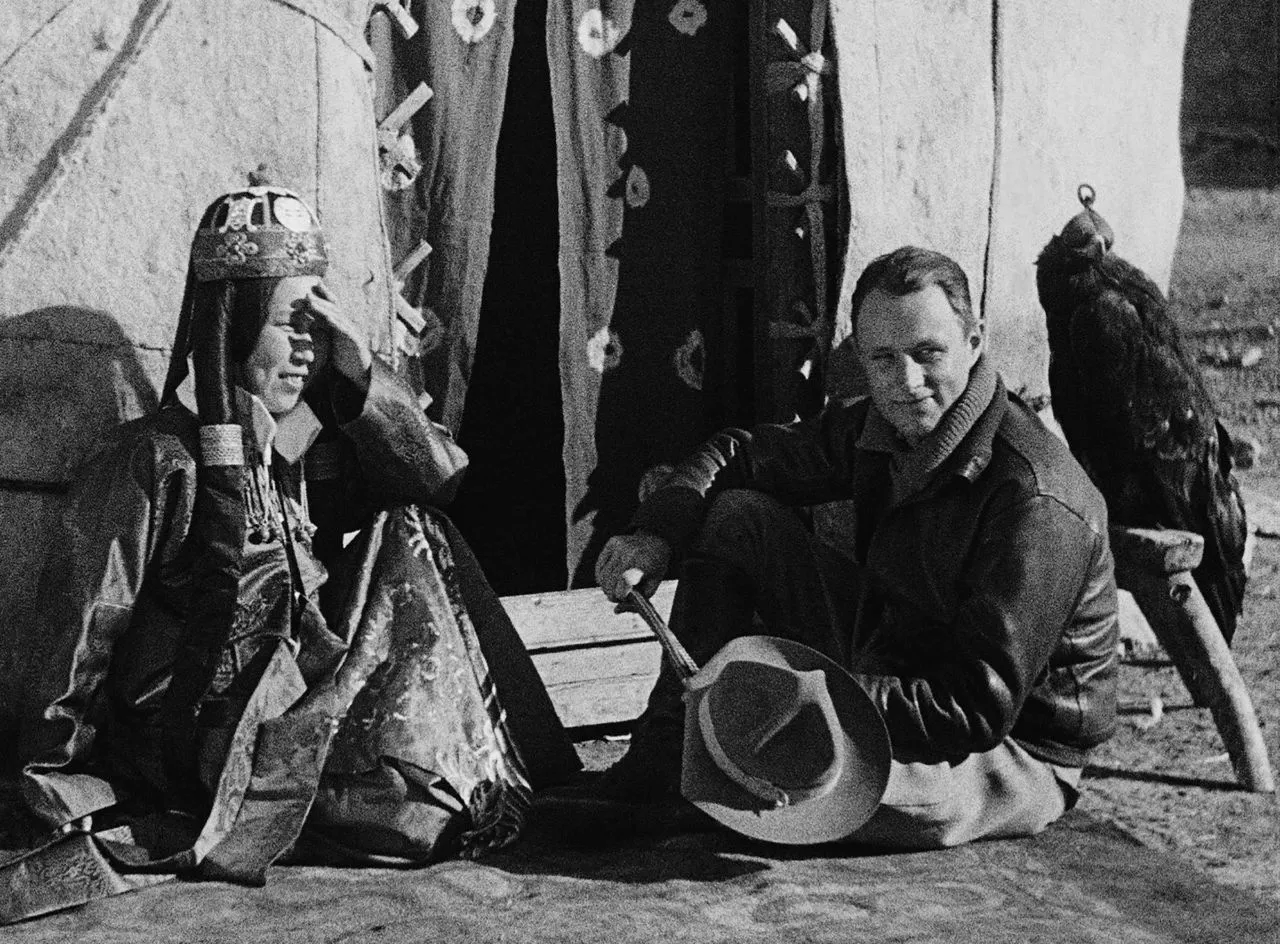
The silent version presented this time has been re-edited based on the director's working notes, diaries, and photo annotations from his archives—an imaginary director's cut. We can see a different kind of "expedition", stripped of commercial ambition, car advertising, and the display of colonialist masculine power, diminishing the tone of conquest and the condescending gaze of inequality. We can see the warlord-torn deserts of the Northwest, the bustling markets of Beijing, Shanghai during the Japanese invasion, and the play of ethnic minorities along the southwestern coast... Relative to the "official version", these "noises of history" are dramatically conveyed in a silent manner.
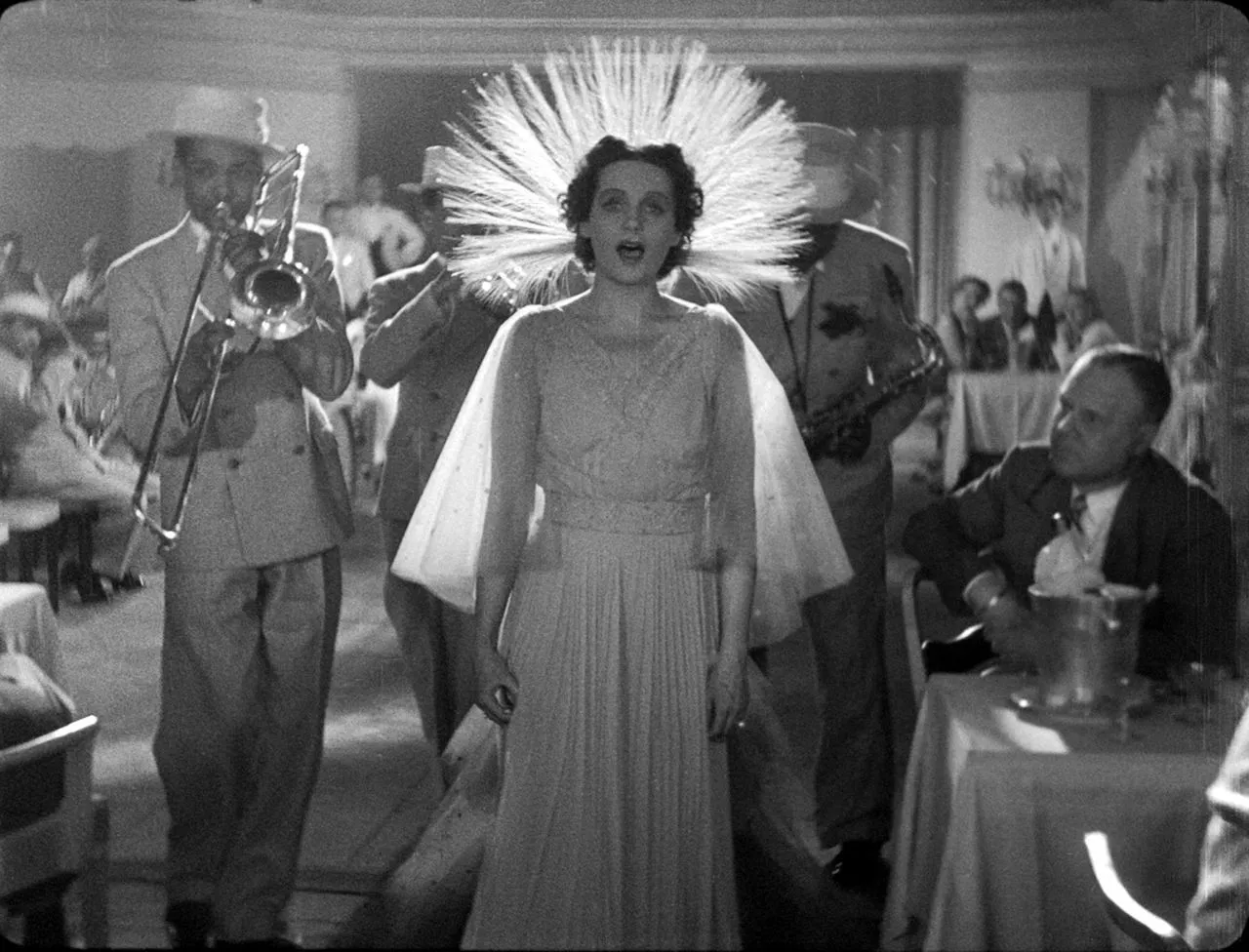
In the late 1930s, Georg Wilhelm Pabst, one of the most important directors of the Weimar era, fled to France after the Nazis came to power. This experience inherently infused his subsequent film The Shanghai Drama (1938) with a sentiment of exile. It tells the story of a White Russian woman navigating the turmoil and adventures of a foreign Shanghai, cautiously surviving in the cracks between various dangerous, intertwined forces. The turbulence and perseverance amidst exile in a foreign land became the undertone of this film. Moreover, the film extensively introduced the complex social structure and social movements of 1920s and 1930s China for the first time. The melting pot of the foreign concessions formed a new "Easternness" within the framework of colonialist discourse.
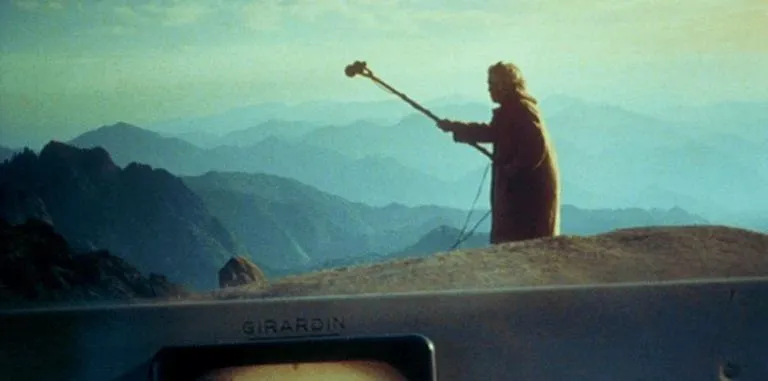
A "good friend" of the Chinese people, documentary pioneer Joris Ivens and his wife Marceline Loridan-Ivens returned to China again in the 1980s. By this time, the famous international left-wing couple, who had once braved the flames of war to bring their camera to Yan'an, were both in their twilight years. Ivens shifted from a revolutionary political documentary style back to his original authentic state of "poetic documentary," integrating his rich life experiences into a journey of chasing the wind and catching shadows.
A Tale of the Wind (1988) employs vintage yet beautiful cinematic techniques to interpret, present, embrace, and compare the cultural differences between East and West, attempting to seek a form of reconciliation and resonance. Chinese elements are almost placed on par with the natural elements of poetic cinema in his film journey akin to performance art, continuously generating rich and elusive layers within his romantic cinematic writing. Through a series of bizarre, stage-design-like performative segments and witty, improvised documentary chapters, the wind completes its poeticization.
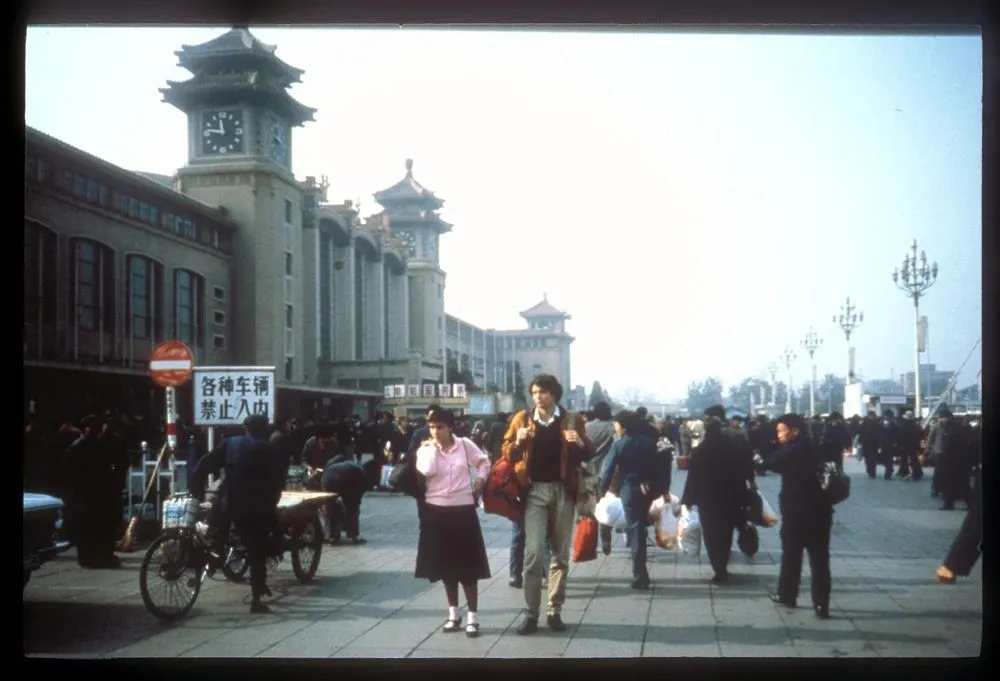
When a Western film is shot in China, there is no need to simulate a certain "Chineseness"; on the contrary, it needs to avoid certain "Chineseness." As the first color feature film shot on location in China by a foreigner, Pékin Central (1986) presents a picture of Chinese society during the reform and opening-up era immersed in dynamic colors.
Female director Camille de Casabianca was under 30 years old when shooting this film. Her delicate observations, fueled by curiosity about China, make the film agile and vibrant. The film observes China in the early 1980s from an almost childlike perspective: bustling streets, noisy crowds, speeding trains, and construction sites in full swing. This is a film with an neither-humble-nor-arrogant attitude, presenting a posture of equal dialogue.
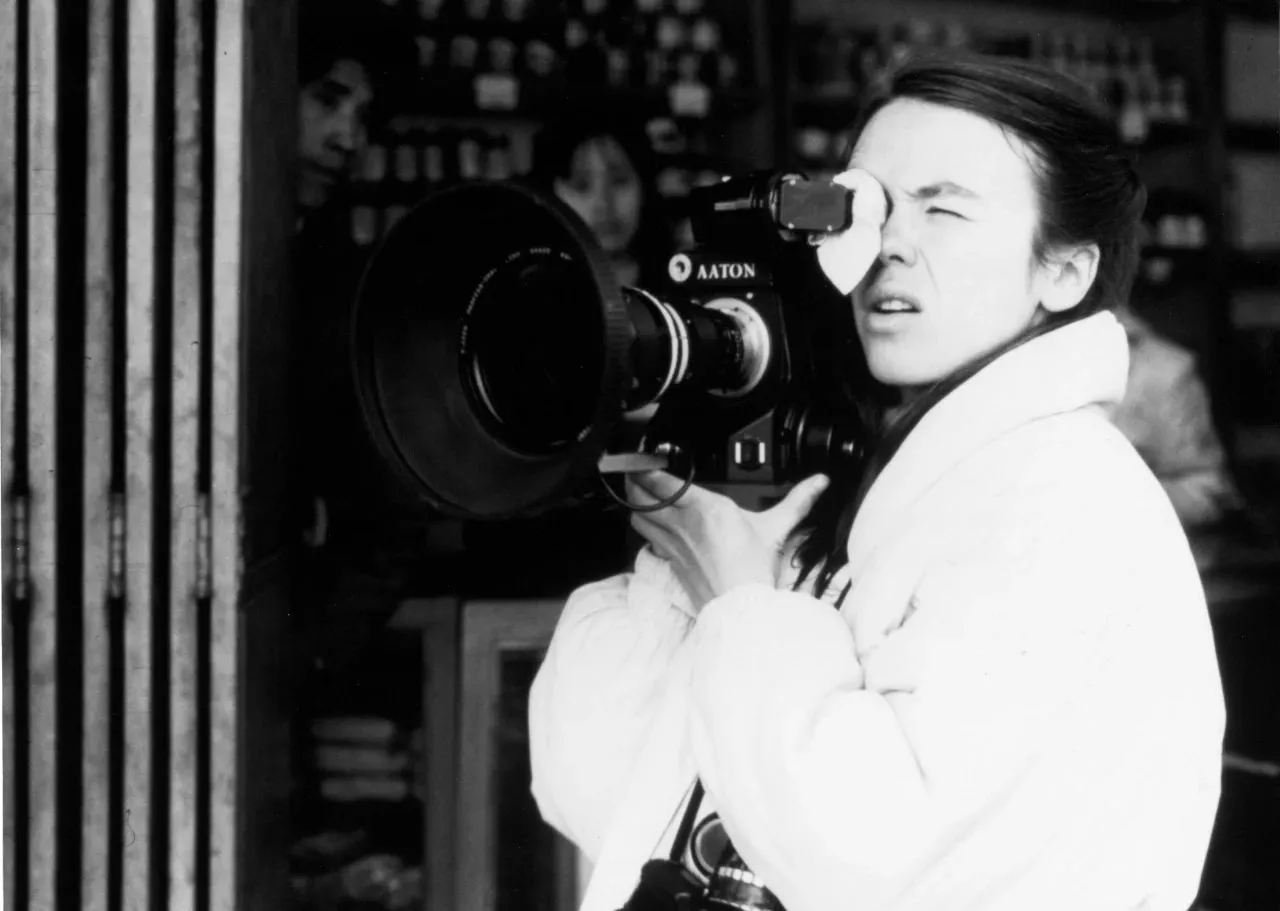
Camille de Casabianca
As one of the first French people to enter China during the "thaw" period in the late 1970s, Alain Mazars made the first experimental film shot in China by a Westerner, Spring Memories of Liaoning. After shooting several "Chinese films," this feature film, Ma Soeur Chinoise (1994), was adapted from the director's own experiences.
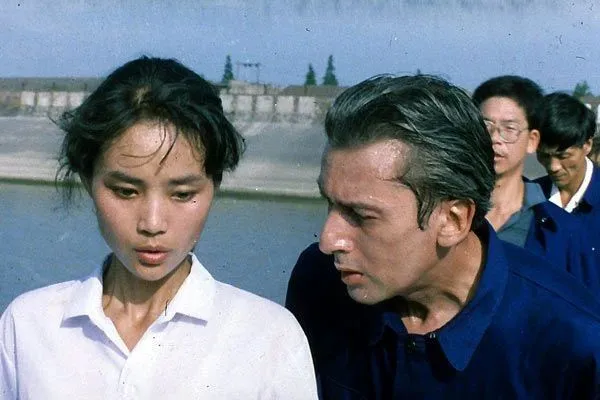
The melancholic performance of French actor and singer Alain Bashung in the film imbues it with a profound sense of mysticism. Mazars brought an experimental film approach into the creation of a narrative feature, attempting to find the sentiment of the "lost" (perdu) in the film—"lost" time, "lost" space, and the semantics gradually "lost" layer by layer in translation. The film presents a tension in the East-West dialogue, akin to a sudden loss of speech amidst an intense conversation.
Cinema consists of moments of memory within the long history of humanity. This curation aims to uncover markers submerged by the waves of history, representing certain repeatedly refracted sentiments or ideas. The threads may break, and thoughts may be interrupted, but the direction of the gaze remains steadfast until it is ignited once again.