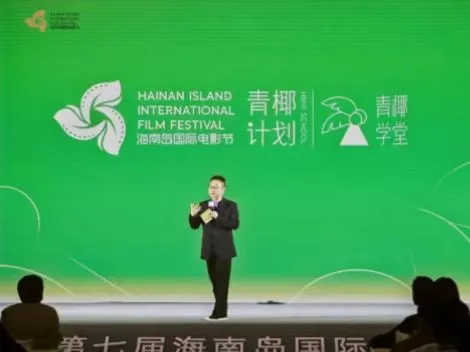





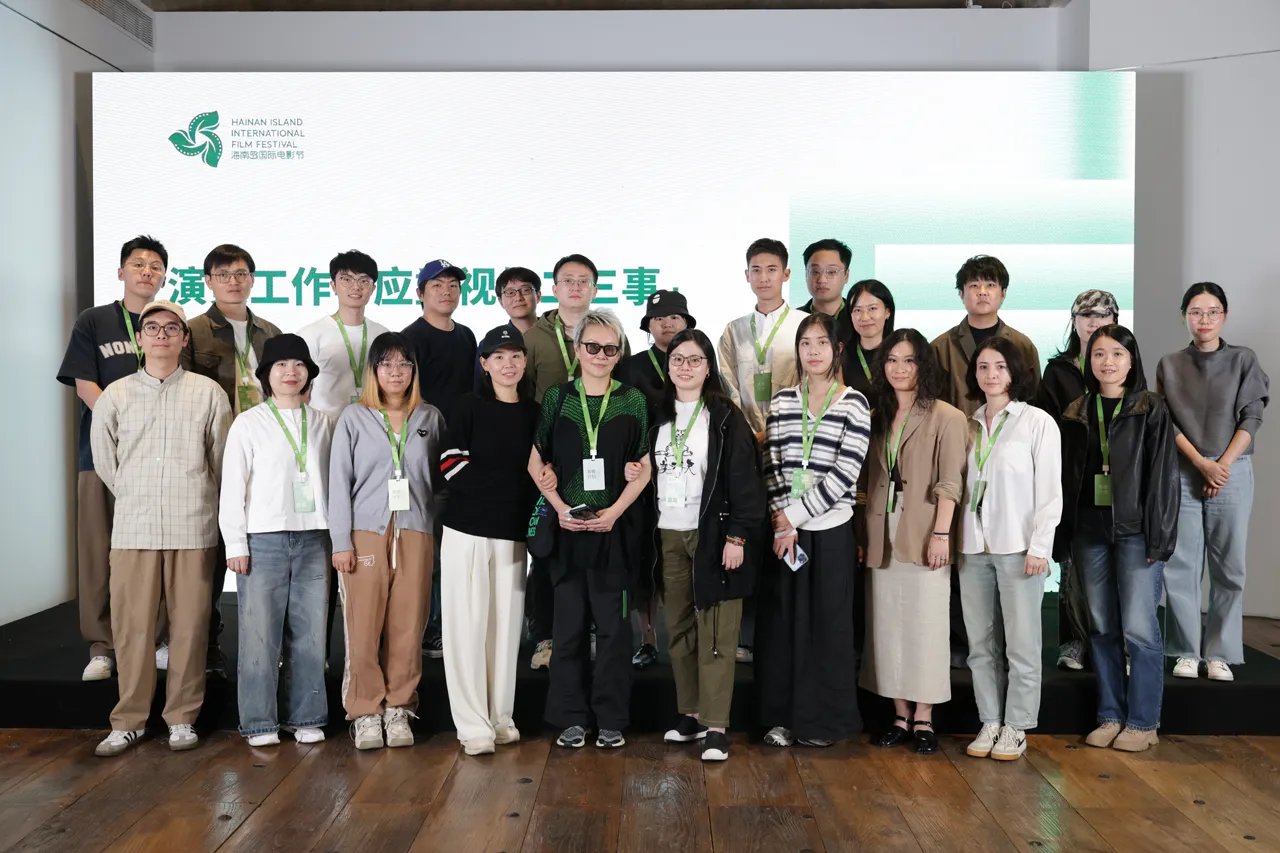
The second day of the "Young Coconut Project" Venture Training Camp workshop proceeded smoothly at CHAO in Sanlitun, Beijing. Zhu Lin, Zou Jiliang, and Nai An shared insights and engaged in discussions with the trainees on film editing, film equipment, and acting work, respectively.
01 / 02 Understanding Film Editing & Talks on Editing
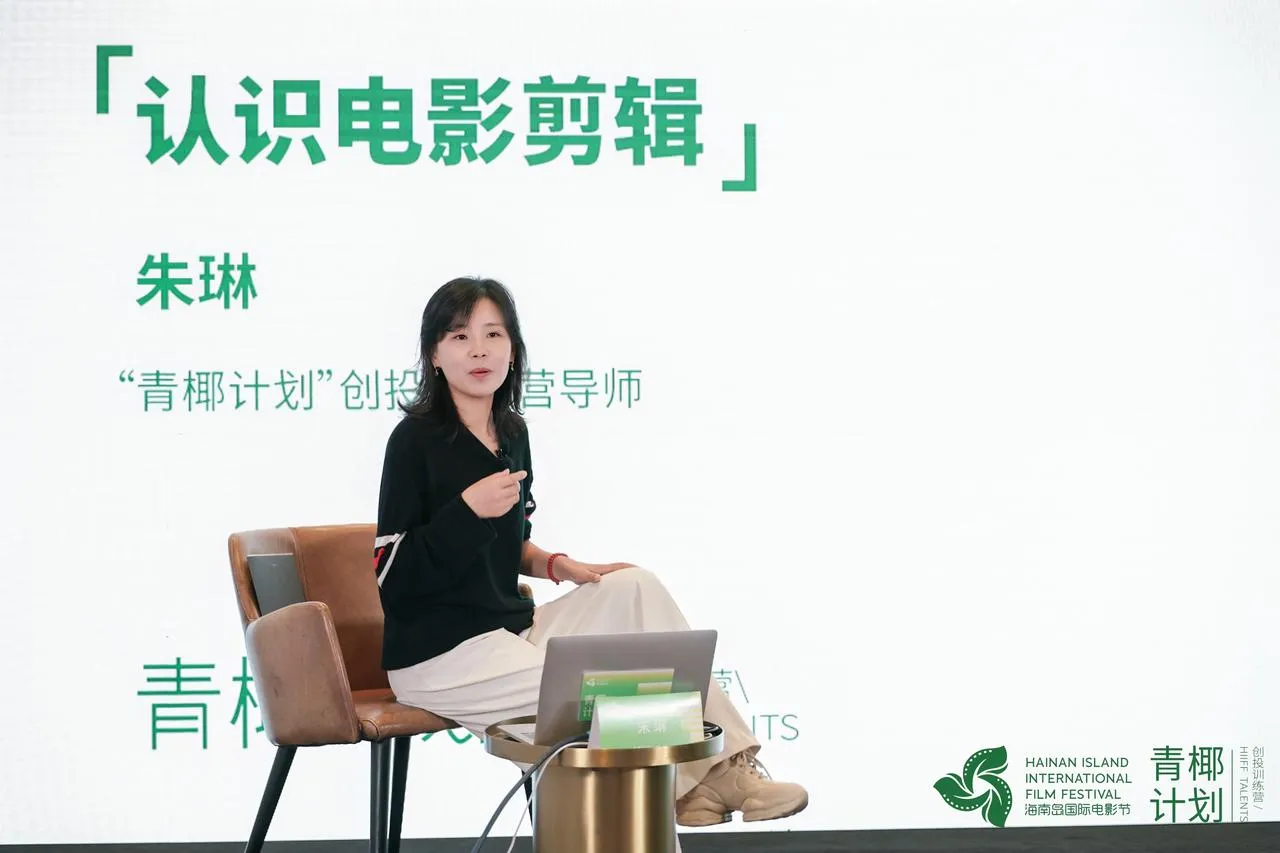
"Compared to being called a supervising editor, I prefer the title of editor," said mentor Zhu Lin during the morning session of the "Young Coconut Project" Venture Training Camp workshop, where she shared her rich professional experience and understanding of editing work. She believes that an editor is a combination of technology and art; editing is not merely a simple cohesive stitching, but a creative reshaping process. The key lies in "reshaping the script based on the existing shot materials," thereby compensating for the regrets and deviations during the shooting process.
Zhu Lin remarked that excellent editing can provoke deep thought from the audience, allowing them to immerse themselves in the emotions of the film. However, there are fewer and fewer audiences willing to think deeply today, and that heart-to-heart connection is gradually weakening. The reasons for this situation lie not only in the changes in modern people's reading habits and ways of thinking, but also in the fact that some films provide too much information, leaving the audience with no time to look elsewhere. In her view, "A true film should leave space for the audience to project their own experiences and values within it. Only when the audience fills in those blank spaces with their own insights is the film truly completed."
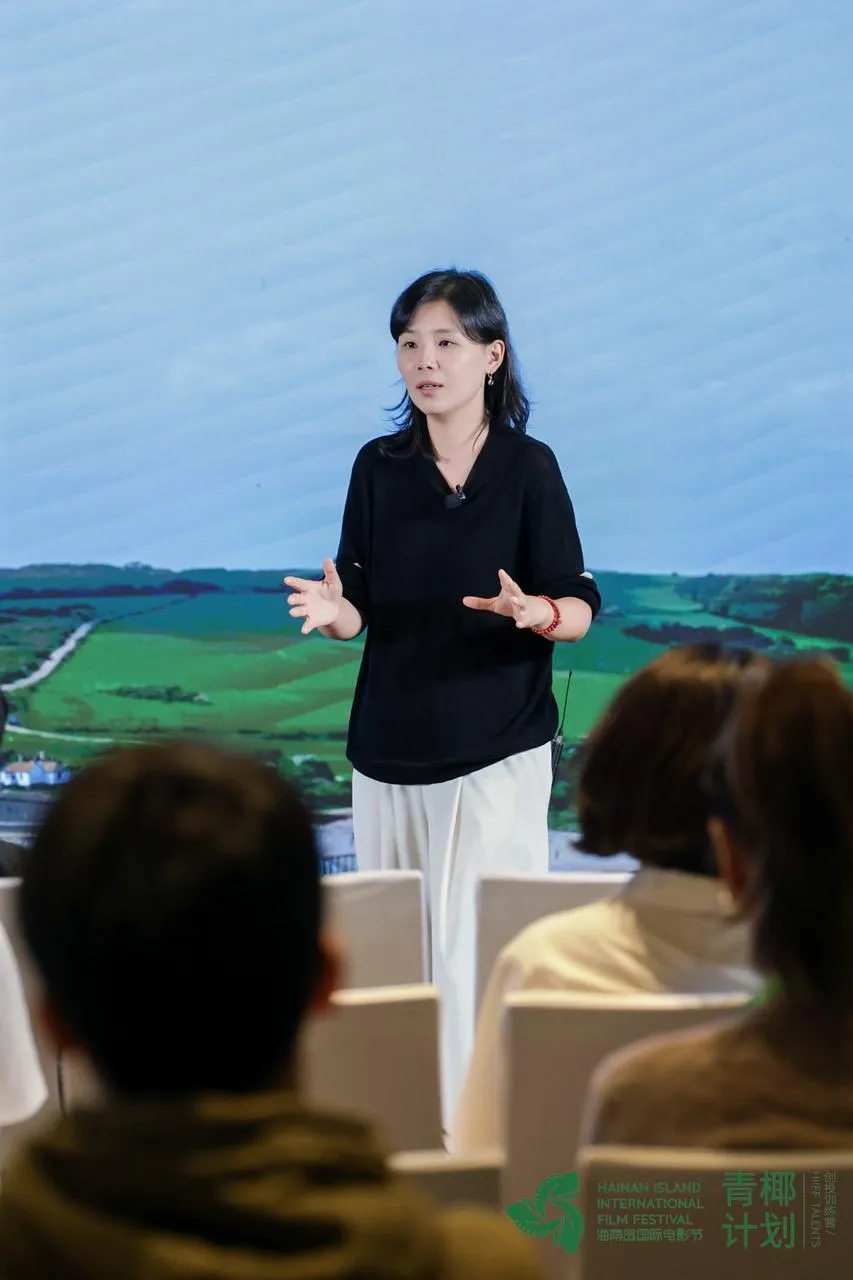
Regarding the communication between directors and editors, Zhu Lin offered her own insights. She emphasized that editors need to continuously learn, maintain an open mind, and focus on communication and collaboration with the director. Summarizing her past work experience, she specifically mentioned that the editor's initial feelings about the footage are extremely precious and should be recorded promptly, because these initial emotions will gradually wear away during the lengthy editing process. She suggested that editors should constantly remind themselves to return to the starting point and maintain that intuition and the feeling of their first encounter. Zhu Lin's sharing was rich and profound, and her passion and love for editing deeply infected everyone present.
03 Zhongshen Chenyang Cinematography Technology Sharing Session
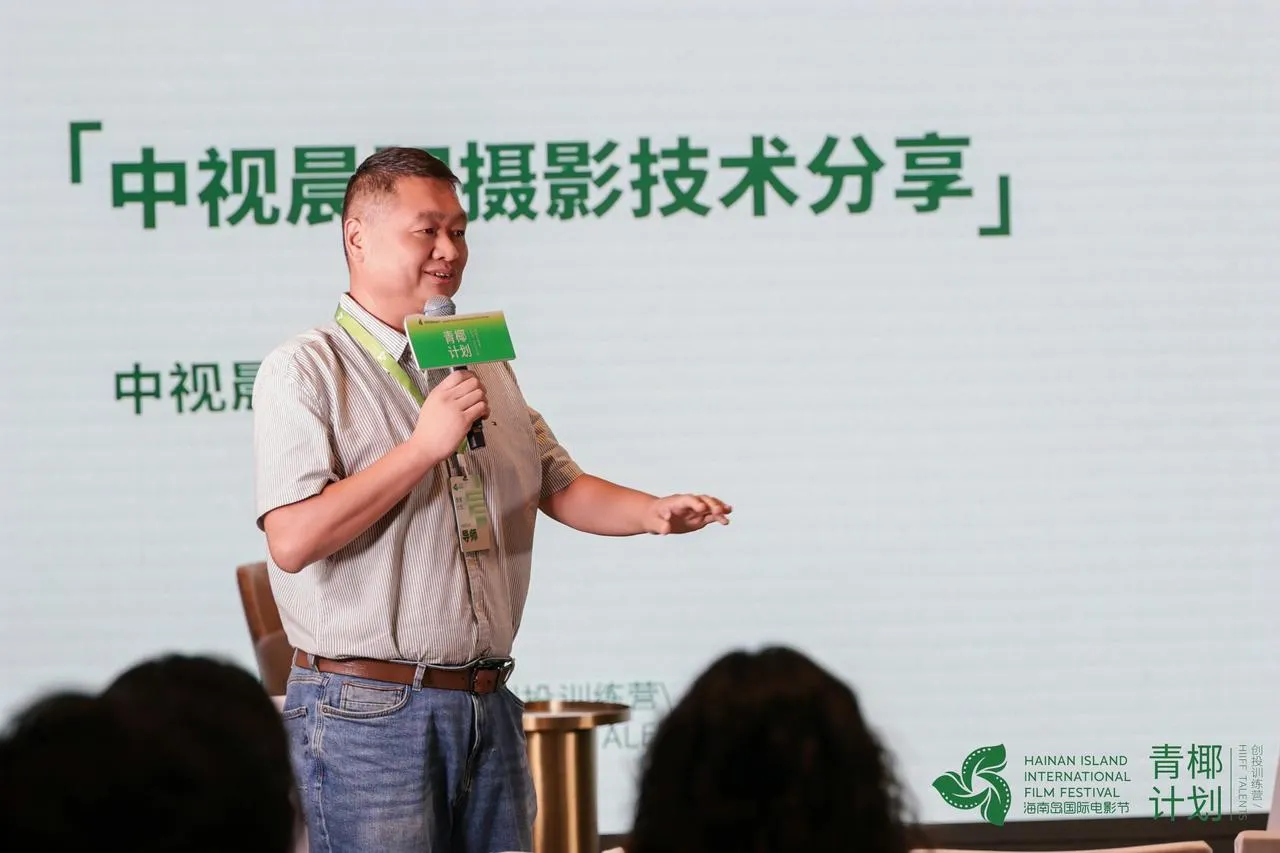
In the afternoon, Mr. Zou Jiliang, Chairman of Zhongshen Chenyang, delivered a wonderful cinematography technology sharing session, providing valuable references for filmmakers. With his rich industry experience and unique insights, Mr. Zou delved into topics such as equipment selection, lens application, and style creation. He emphasized that modern filmmaking does not rely solely on a single piece of equipment; rather, it involves selecting the appropriate equipment combination based on the project's budget and style requirements, and combining different lenses to create diverse visual styles.
Subsequently, Zou Jiliang invited his colleague Zhang Bowen to showcase the shooting equipment to the trainees. Taking the opportunity of interacting with the trainees, Zhang Bowen elaborated on the complexity of lens manufacturing processes and the impact of factors such as resolution, sharpness, and color reproduction on lens quality.
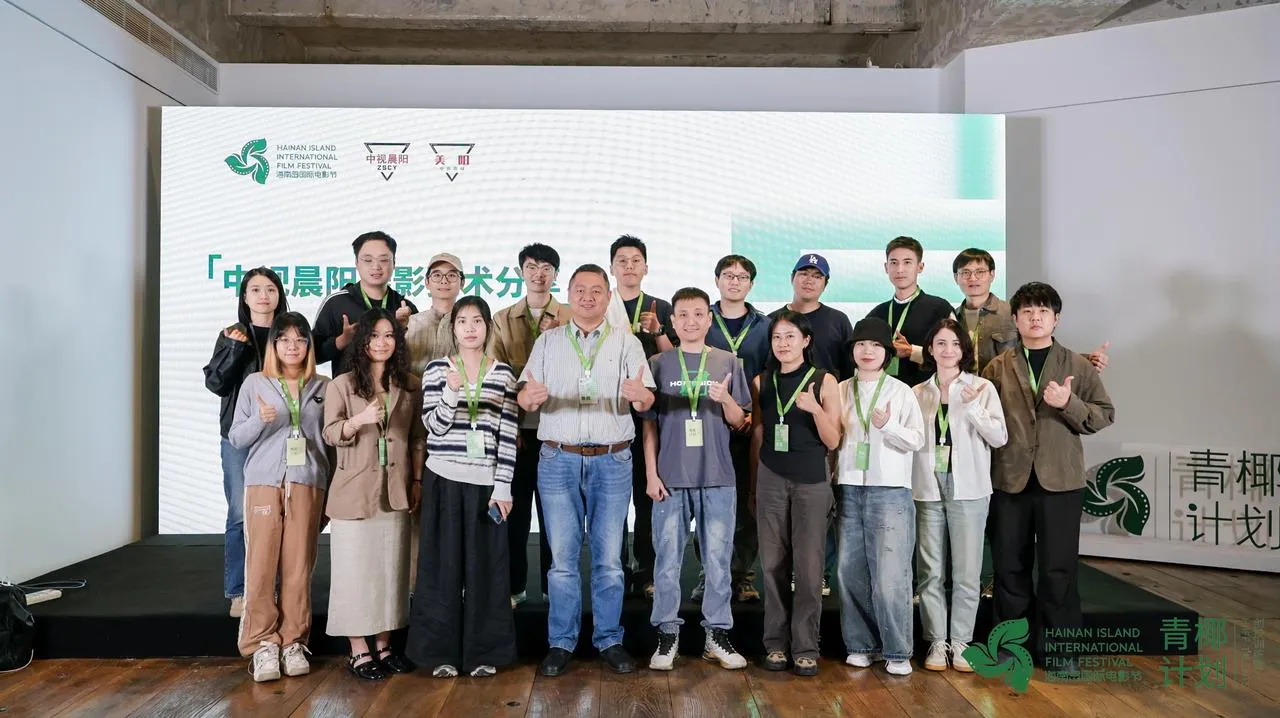
Zou Jiliang stated that lens manufacturing technology has made great progress in recent years, lens quality has improved, and cinematography technology also requires continuous innovation. Finally, Zou Jiliang encouraged creators to pay attention to the advancements of domestic lenses and make choices based on project requirements. This sharing session provided the trainees with valuable cinematography technical knowledge, helping them better in their creative endeavors.
04 Important Matters in Acting Work
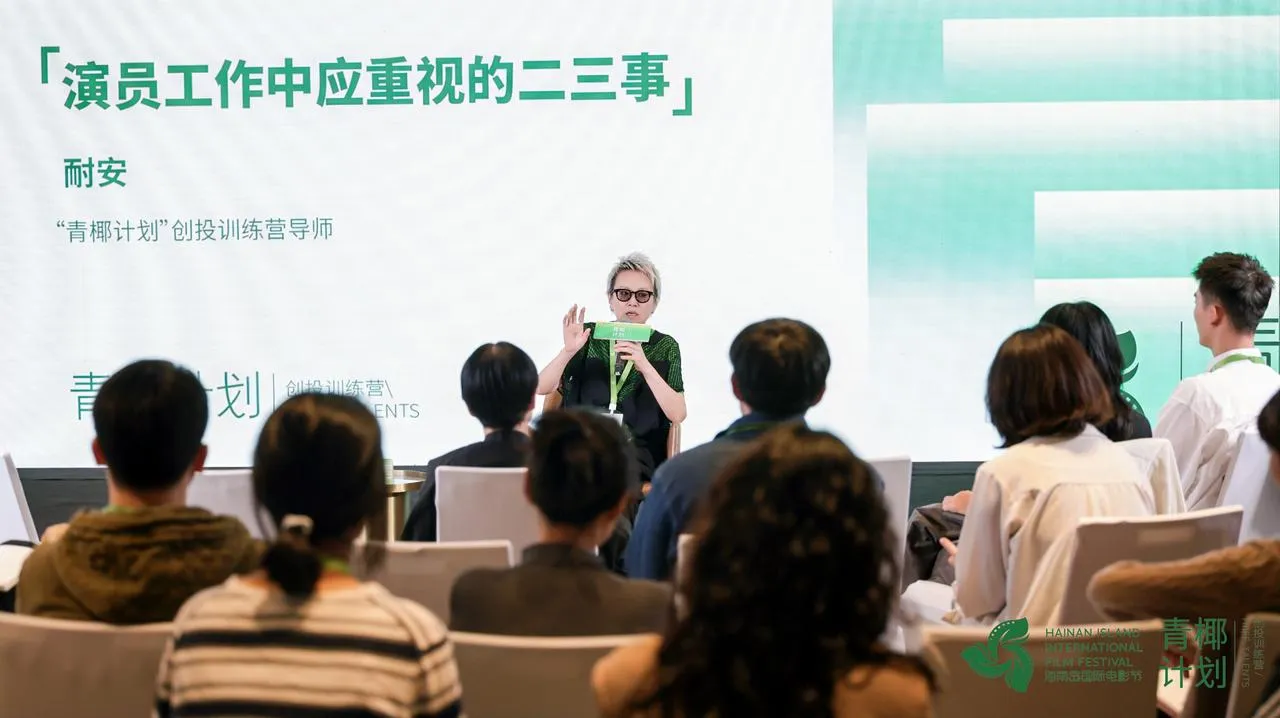
Mentor Nai An shared her years of experience working with actors with young directors at the workshop, emphasizing that actors are the key to a film's success or failure. She suggested that directors, during the casting phase, should not focus solely on the actors' major scenes, but rather try having them perform transitional scenes and create an audition environment close to the plot's setting, in order to more accurately assess the actors' performances.
Nai An also emphasized the importance of script table reads, recommending at least three reads, each with a different purpose and function. The first read is for the screenwriter to read through the script, identify problems, and suggest revisions; the second read is for the director and actors to read together, helping the actors understand the characters and the script, and engaging in creative-level discussions; the third read is to resolve issues found in the previous reads, ensuring the script's logic and completeness.
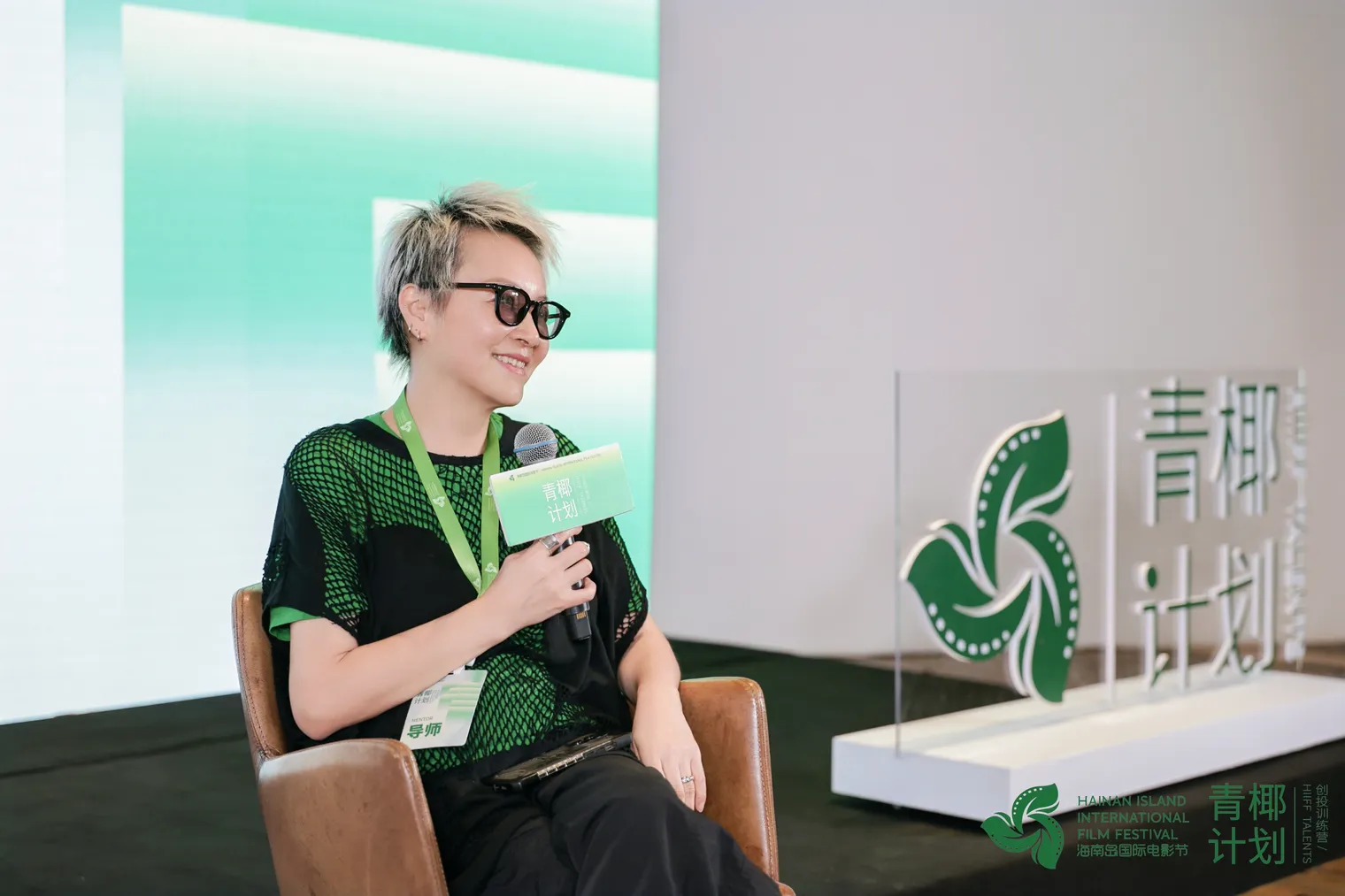
During the shooting phase, Nai An emphasized the importance of respecting actors; even if chaos or difficulties arise on set, actors must be given the opportunity to get into character, and quiet must be maintained to allow them to focus on their performance. She advised young directors not to use both professional and non-professional actors simultaneously in their early-stage creations, as differences exist in their acting styles and comprehension, requiring more professionals and time for coordination. Nai An's sharing provided valuable guidance and advice for young filmmakers.